
Nadia dalle Mese | Studioart Leather Interiors
The Studioart Leather Interiors founder on leather, sticking to your guns, and overcoming fear.
There was no one at the tannery that day. Nadia and her assistant came in on a Saturday to try out a new idea she’d had for leather walls. They started cutting up pieces of leather, playing with position and color to create an eye-catching composition. To get a good view of the final installation from afar, they clambered onto the tannery’s huge tables. What they saw was a mosaic of different finishes and textures, and a totally new way to apply leather.
It was her father, a former factory worker, who built the tannery in 1967 and gradually expanded it. Today, the family business also includes tannery machinery manufacturing and real estate, but perhaps the most precious jewel in its crown is Studioart Leather Interiors. Twenty years on from that first spark of innovation at the tannery, Nadia sat down with us for a walk around her imagination.
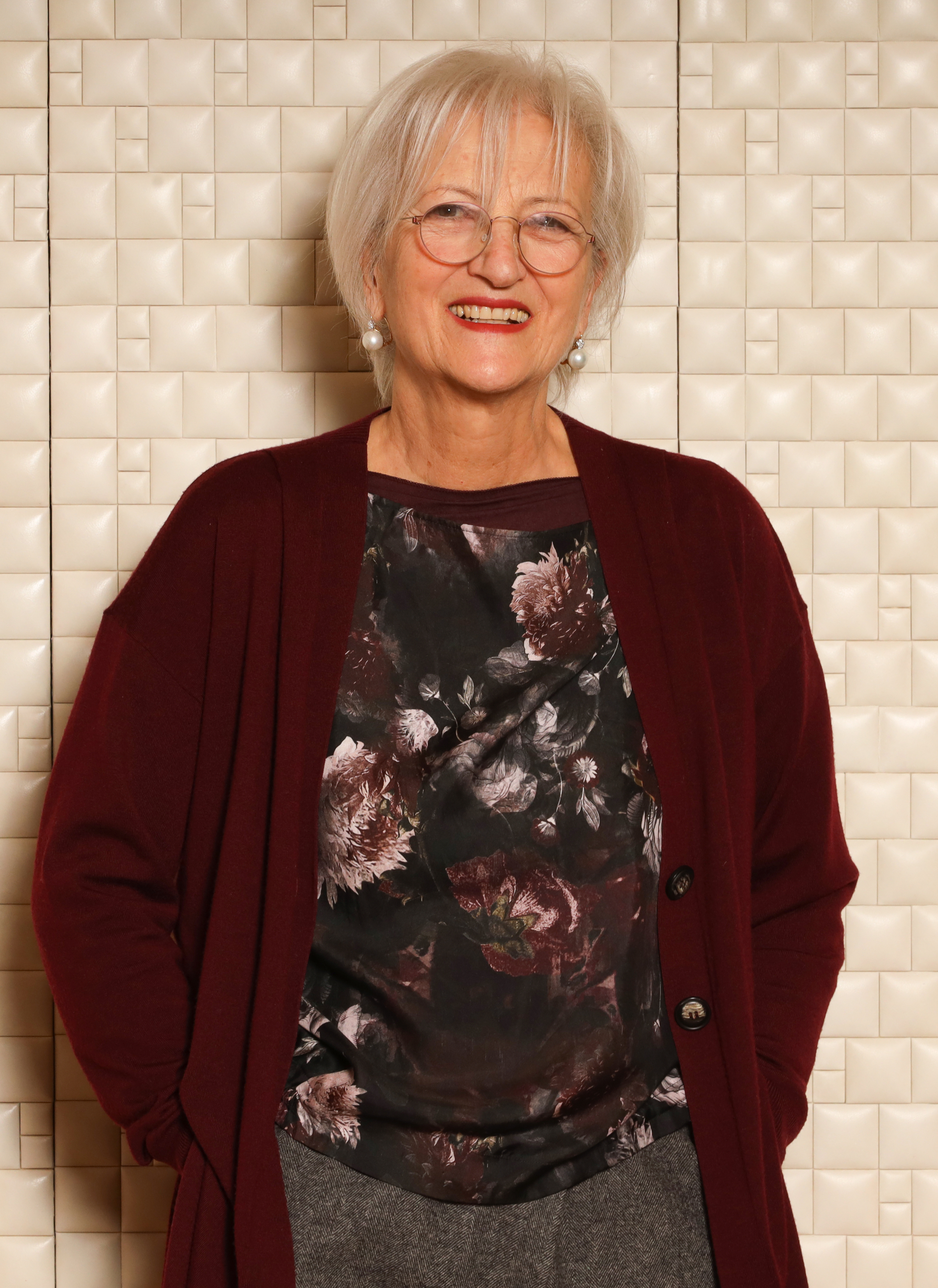
“Leather became a language for me.”
I wanted to start with something Angela said when describing her visit to the tannery. I really love this image of being taken on a walk through your imagination. Does it feel that way to you too?
Before answering that specific image that Angela had of me, which is beautiful, I need to tell you a little about my relationship with my father, because he was the one who founded the tannery.
It was a relationship built on great affection, but also on great conflict. My father was a man with a strong character. Very determined, and also very possessive of me because I was his eldest child and his only daughter. We argued so much that I wanted to do something completely different. I wanted to study architecture—nothing to do with the world of leather.
After I graduated, I moved to Calabria, distancing myself from my family, especially him. When I returned to Veneto seven years later, I took on the first ever renovation of the tannery. It was an old tannery that had been put together piece by piece over time, spanning 10 acres of land and 5 acres of sheds.
Why am I telling you this?
Because it was through that project that I began to reconcile with my father and with the tannery itself.
My father passed away in 2002, after we had completed the project. Returning to leather after his death meant returning to memory—to the memory of my father. Leather became a language for me, because it allowed me to unite everything that had come before in my life, and, at the same time, the beginning of our adventure using leather on walls and in design.
So yes, that walk through my imagination absolutely exists. Being able to unite my architectural studies, my desire to be different, and the fabric of my family was a great comfort to me after his death, and a way of affirming my own professional identity.
You said you moved to Calabria, which is about as far away from Veneto as you can get within Italy. What gave you the courage to follow your own path, not the one your father wanted for you?
I moved to this tiny village on the Ionian coast, with only three thousand inhabitants. Fewer than the smallest neighborhood in New York, probably.
What gave me courage was finding someone I felt good with: my husband.
Having a kind and loving person beside me helped soften the edges in my relationship with my father. But distance also helped. It helped both of us rebalance the relationship.
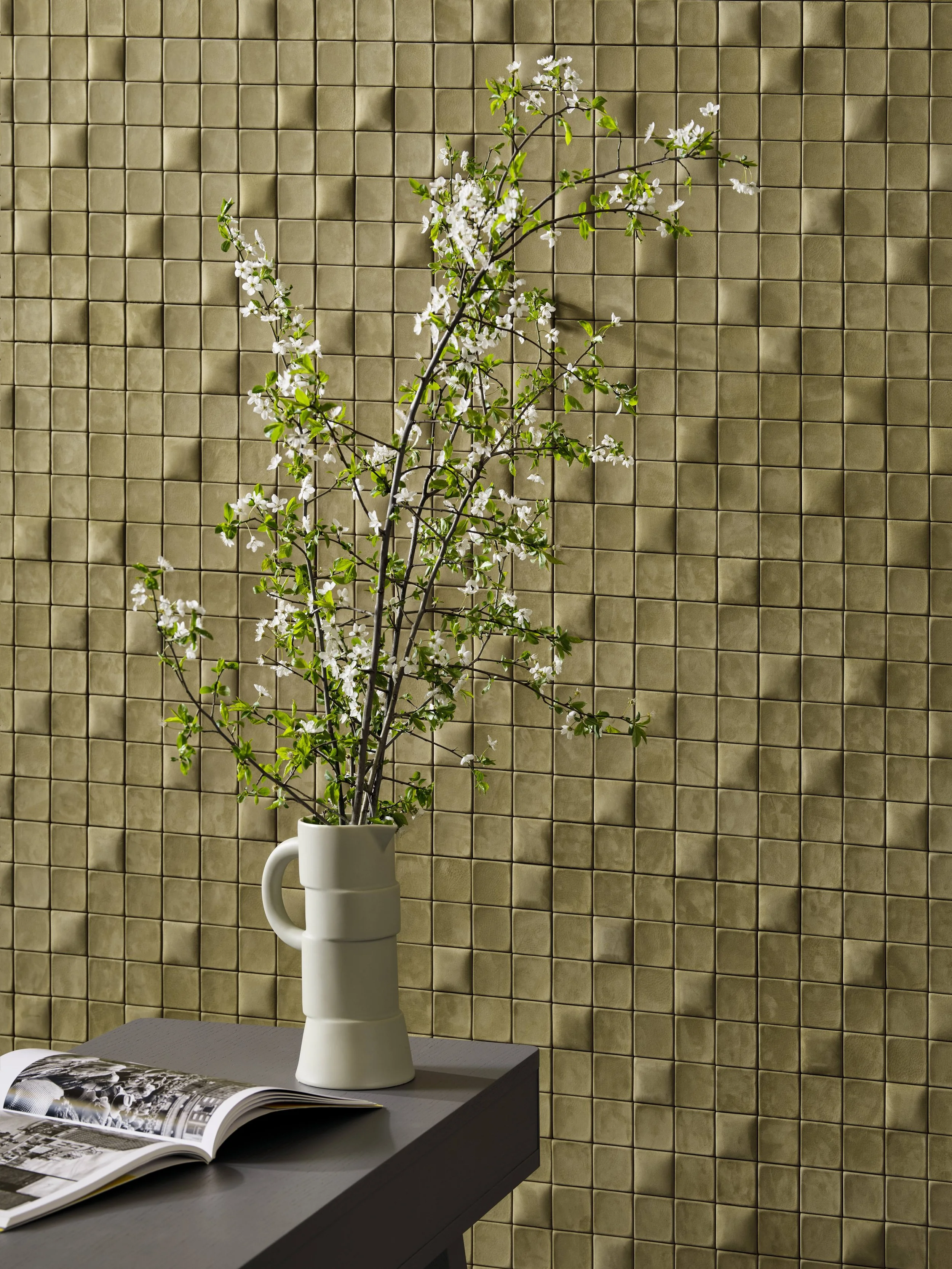
“Beauty doesn't need to be perfect. It just needs to retain its value over time.”
What does beauty mean to you?
Putting aside the harmonious proportions of Greek art, the golden ratio, and anything to do with balance, my notion of beauty is not necessarily about perfection. There is beauty in small flaws, in the same way that you can love a person partly because of their imperfections. For me, beauty lies in the balance between functionality, materiality, touch, and the emotion it evokes.
Beauty doesn't need to be perfect. It just needs to retain its value over time. And for that to happen, it must be simple and authentic.
How do you know which imperfections to fix and which ones to leave alone?
All the imperfections that can be corrected should be fixed. The ones that can't be fixed must be accepted. That's probably the dividing line, although every situation is different. What interests me is that beauty, simplicity, value and authenticity are all connected.
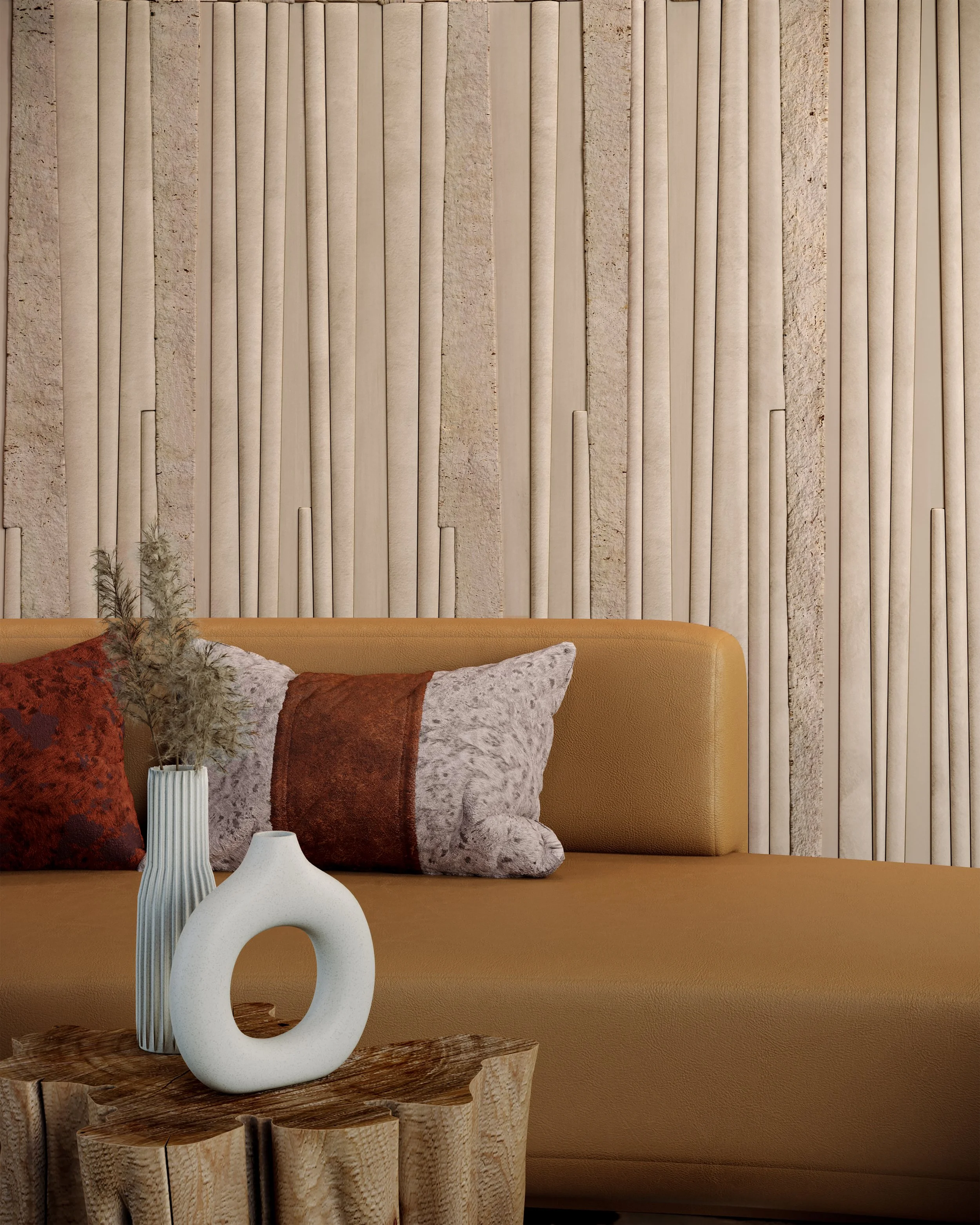
“Creativity is never an act of closure. It’s an act of love towards others.”
What occurs in your heart when you're creating a new composition?
Creating is always an act of generosity. It's an act of love towards others. You bring something out of yourself and offer it to the world. That comes from inside you, but it seeks connection and recognition. Creativity is never an act of closure. It is always a gesture directed outward.
What is your relationship with the passing of time?
It's difficult to accept wrinkles. I think that's true for many people. But what helps me is that on the inside I still feel like the eighteen-year-old girl I once was.
Personally, ageing can be difficult. Professionally, time becomes an ally. With time, it becomes easier to appreciate what you've built. You can see what remains. You can see what has survived. The things that endure are usually the most important. From that perspective, time isn't frightening at all.
In fact, seeing the next generation gradually take over responsibilities is comforting. You realise that something of you will remain.
What has been the greatest transition in your life?
As a child, I carried a great deal of fear. And as a woman, I've had to face many different roles. Mother. Architect. Designer. Entrepreneur. The real transformation has been learning to overcome the fear of not being good enough.
Even now that fear occasionally appears, but over time I've achieved a greater sense of calm. Today, when I face difficult situations, I see them more clearly. Not with detachment, but with serenity.
Getting to this point was incredibly difficult. Moving to Calabria, returning to Veneto, navigating family businesses, managing disagreements and challenges. Losing my husband. Facing all these different roles while remaining myself has been perhaps the greatest transformation of my life. I’ve learned to trust my gut and believe in my intuition.
In the face of all these challenges, what is the fire inside that keeps you going?
The answer is actually very simple. I love my children and grandchildren enormously. More than anything else, that is the fire inside.
It is the desire to leave something to them. An inheritance, yes, but also something of myself. That is why I still love coming to work every day.
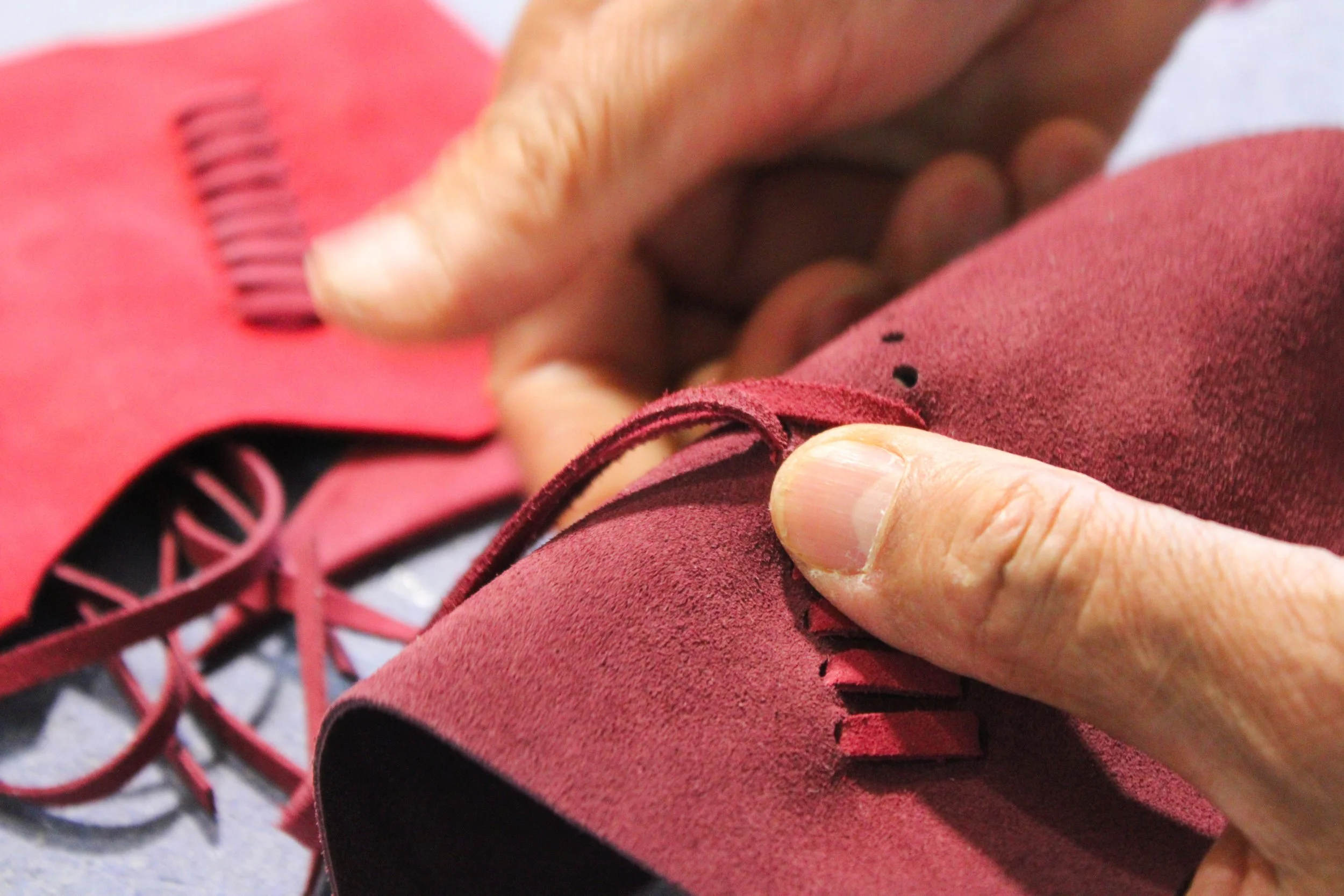
“There is a vulnerability that comes with age, which we try to hide by putting on lipstick or going to the gym. But some things remain inside.”
What do you think someone could learn by watching you work?
I am tenacious, as I said before. A little stubborn too. And in my work I always push forward. I am not someone who instinctively pulls back.
Most people see my strength, my energy, and my determination. But not everyone notices that beneath all of that there is also a more fragile side. Leading a business means making decisions every day, and every decision carries responsibility. I never take that responsibility lightly.
Perhaps what people learn from me is the ability to pursue an idea, a dream, a line of inquiry, and keep moving forward with it. Sometimes you realise you were wrong. Sometimes you adjust your direction. But you keep going, despite the difficulties.
What are you portraying?
Well, first of all, I would like people to see that over the course of twenty years, despite making mistakes on many fronts, I have managed to build a stable business which I’m proud of. And I’m not just talking about the design. There are all these other wheels turning in the background: budgets, warehouses, operations.
Of course, I haven’t achieved this alone. I’m especially thankful for my son, who has devoted so much energy to the company over the past seven or eight years.
At the same time, perhaps I hide certain things. The tiredness, the doubts. There is a vulnerability that comes with age, which we try to hide by putting on lipstick or going to the gym. But some things remain inside.
With time, however, you learn to live with those feelings and to transform them into awareness. They become part of your experience and part of the perspective you bring to both life and work.
So there is the visible version of me—a strong, independent, emancipated woman. And then there is the more private, interior part of me. Not everyone sees that part. But it’s there and it is equally part of who I am.
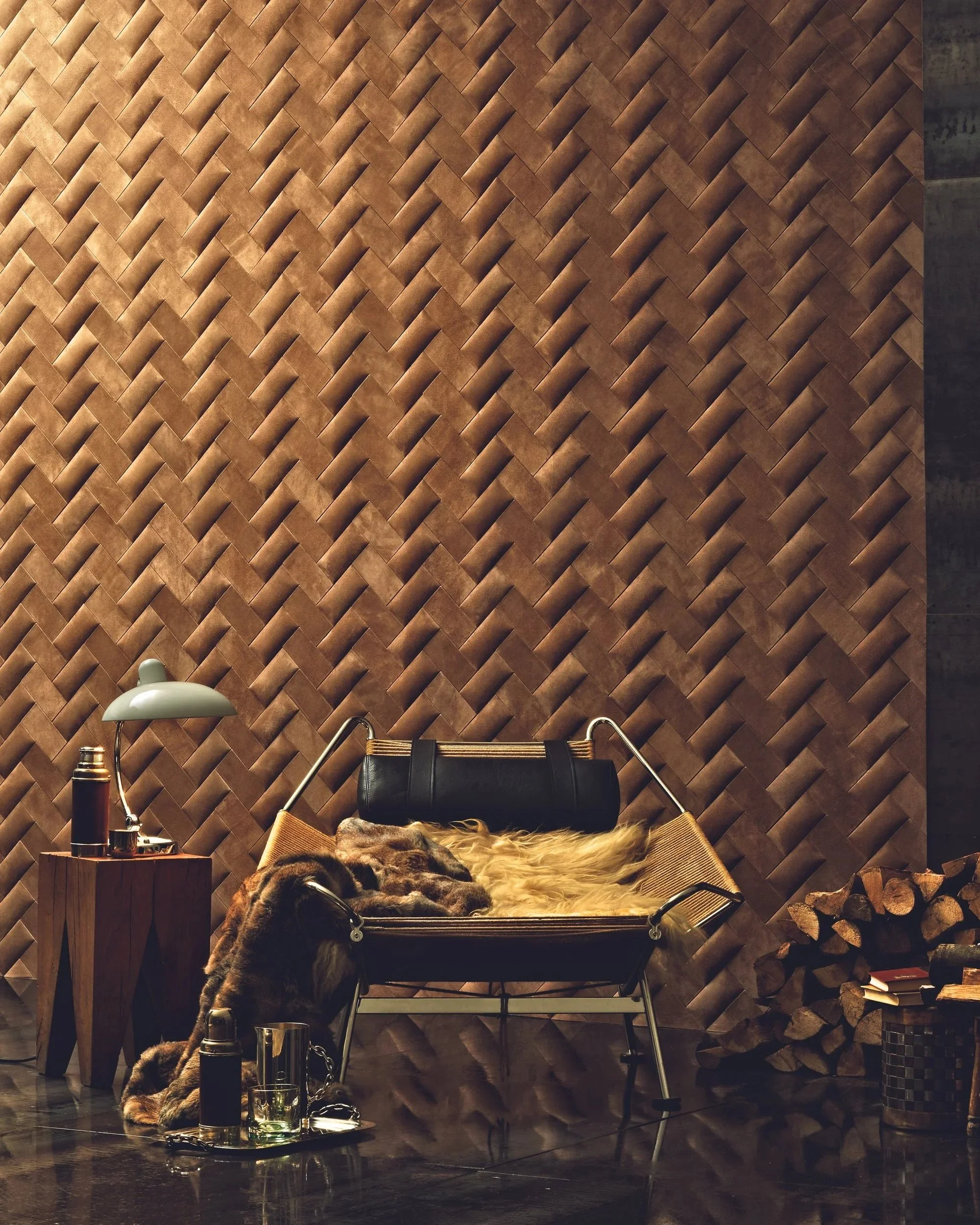
See more from Studioart Leather Interiors.