
When Karin Sajo was a four-year-old kid growing up in Hungary, her parents took her to Venice on summer vacation.
At the house they were staying in, there was a corridor with a door that opened directly onto the canal. It was a real shock to the little girl, who couldn’t fathom how it was that the house was at water level. The rest of the trip was a sensory feast: fireworks sparkled over the lagoon, which she would marvel at over slices of fresh watermelon.
Her eye for “extreme brilliance,” as she puts it, has guided her into adult life, from designing high jewelry while studying at Paris’s École Duperré to working in haute couture with some of the city’s most prestigious fashion houses. And for the last two decades, she’s poured her own story into a line of textiles treasured for its distinctive approach to color and pattern. In our conversation below, she unfolds the core of her creativity—the desire to feel and be felt.
“Life is the most enriching thing you can have, because it’s full of surprises.”
What is beauty to you?
It's an emotion. It has nothing to do with money or even craftsmanship, it's really something that resonates with you. That might be material, or it could be an exchange between people. That's beauty; something that moves you, that touches you. Above all, I believe beauty to be very personal. For me, it usually brings enthusiasm, a kind of serenity.
What are you portraying?
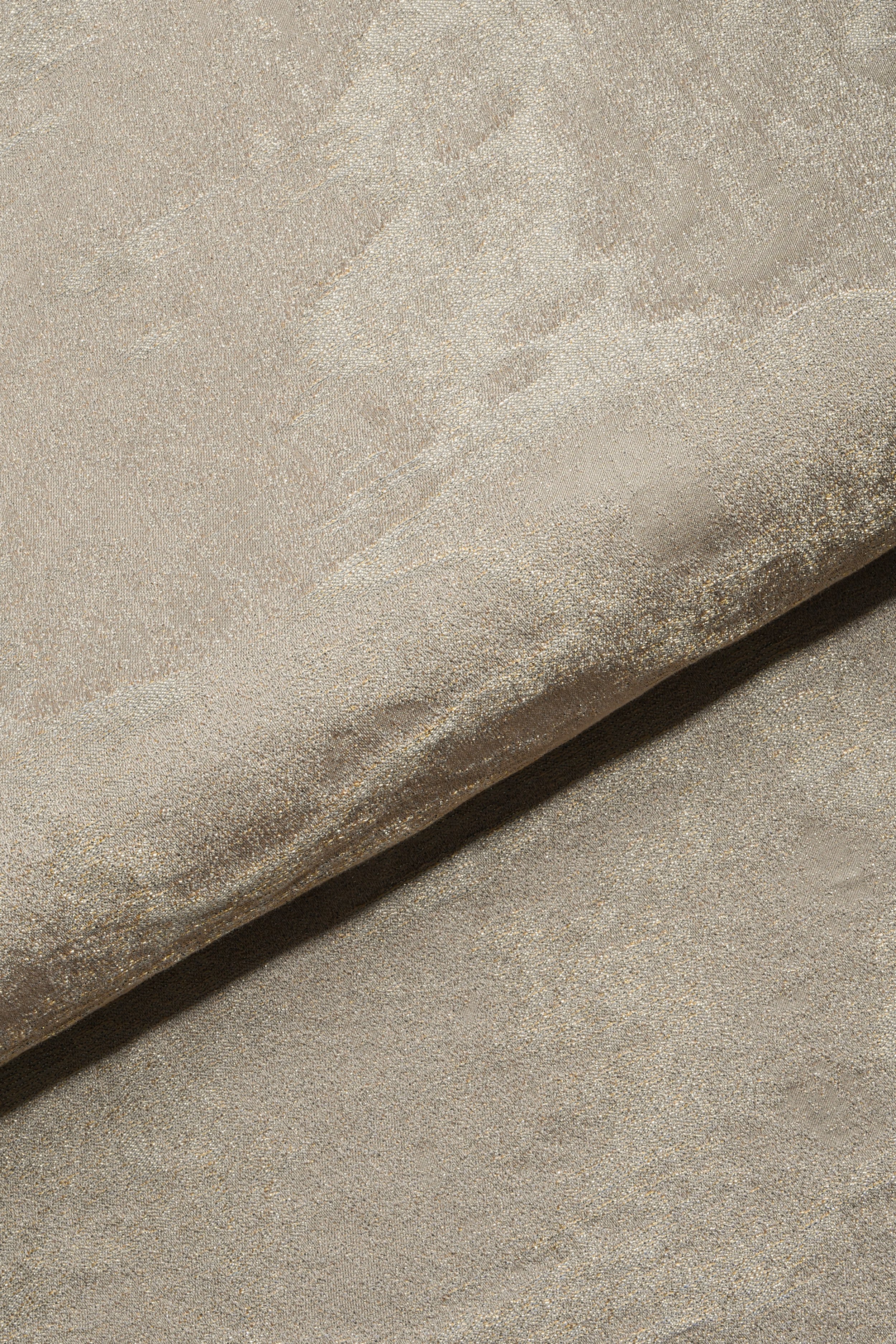
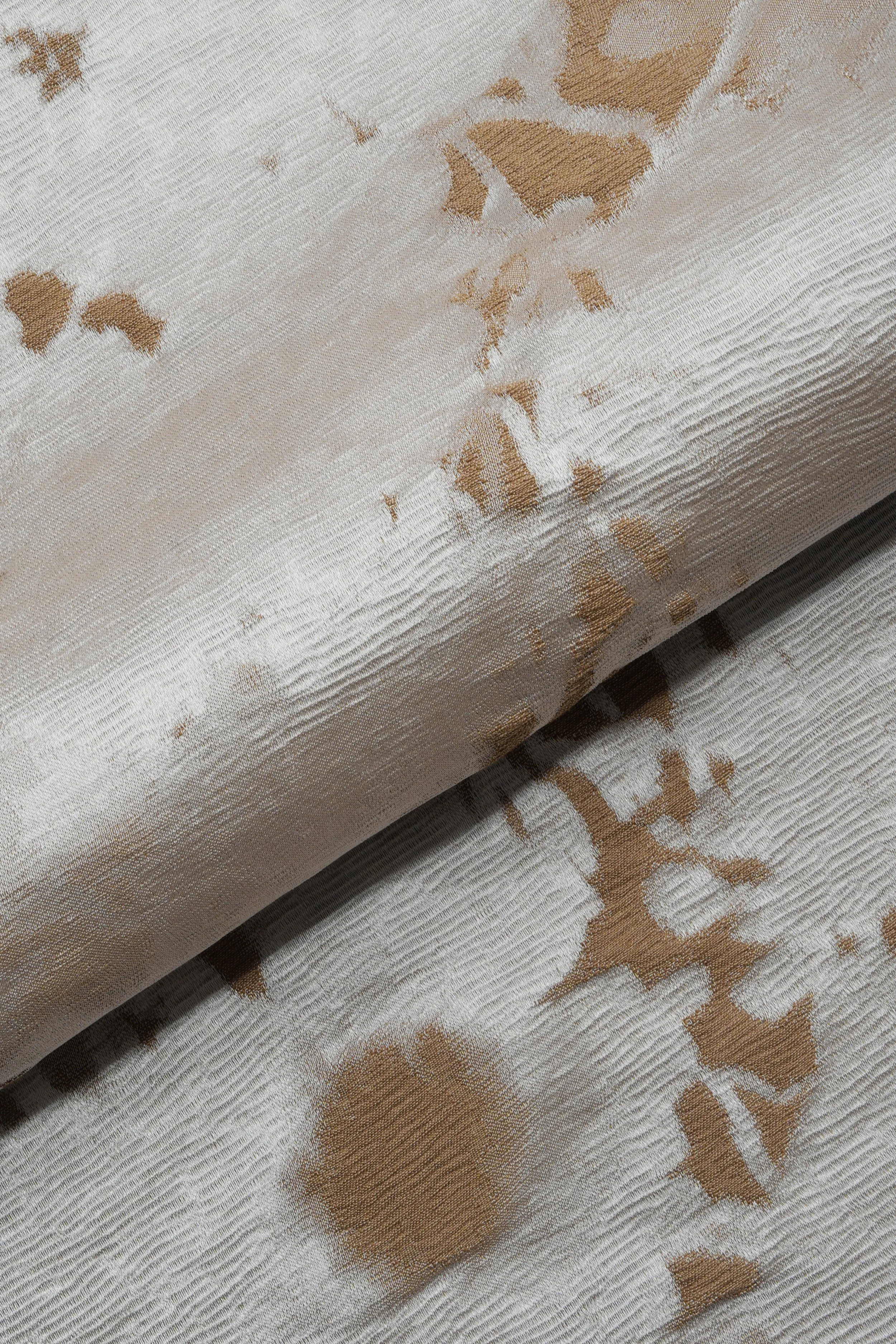
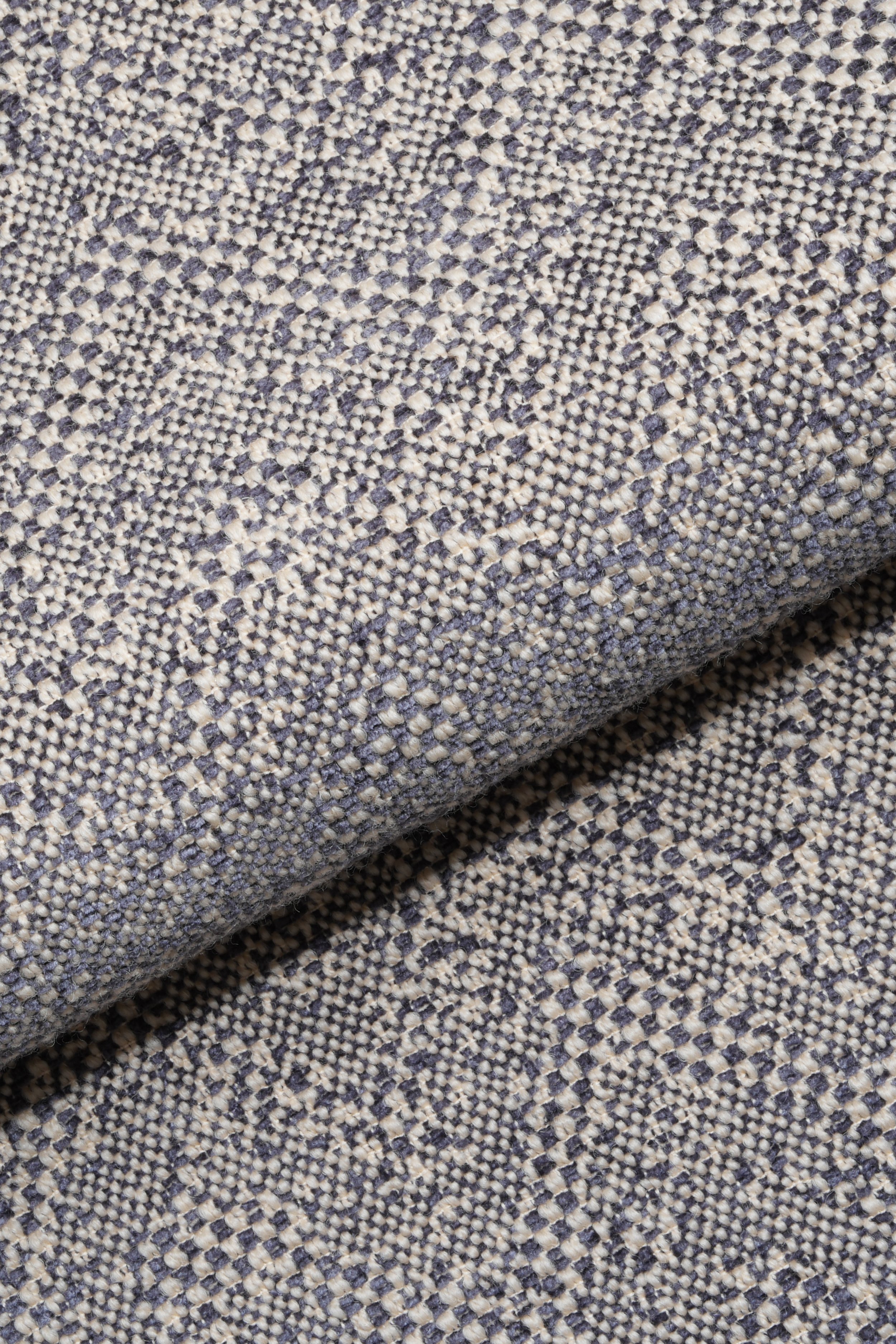
Harmony, nuance, subtlety, delicacy. I am always trying to fully construct something between the material, the color and the pattern. You have to find the right balance between all three to express something personal.
If your textiles could speak, what would they say?
They would evoke an emotion even before uttering a recognizable form of speech.
“The most important thing in creation is knowing how far you can push the product.”
What has been the greatest transition in your life?
Creating my company. You know, my first path was haute couture and fashion. I worked for great creative directors, like Gianfranco Ferré and John Galliano at Dior, and later for Jean-Paul Gaultier in jewelry; which meant working on a different scale, in three dimensions, with other materials. But you're combining your creativity with the identity of the creative director and the house they work for. So it was very enriching to finally express my own desires through my own creations.
I was a total beginner. I'd studied textiles at the Duperré School of Applied Arts in Paris, but I didn't know the world of interiors at all. So my approach was perhaps more personal, but also with a fashion bent—conceiving fabrics as a collection, which year after year culminates in a larger story.
What's magical in upholstery fabric and high-end interiors is this sense of time and permanence. The textile has a lifespan, and you get more time to develop it, live with it. And then there’s the contact with interior decorators and architects, who have their own sensitivity, their own virtuosity, and who will take my creation and bring it to light, often in a completely different and personal way. That's the very principle of creating fabric.
What's your relationship with the passing of time?
Ah, time passing is life. With a beginning and an end. Life is the most enriching thing you can have, because it’s full of surprises. You never know what it might bring you. And that's what's magical. It's like the notion of beauty. It's unexpected; it can be in everything around you. If we can't learn to accept time passing, we can only live a bad life.
Have you always been so serene, so comfortable in your own skin?
No, no, listen, of course not. In adolescence, like everyone, or at thirty, there are all the personal things one goes through, of course. But I think that when you're lucky enough to express and make real your feelings, to create, that's already a real sense of fullness; something that makes you extremely fulfilled and happy. And so on the contrary, I know that as time goes on, I've already had this chance to make things real and do such interesting, beautiful things. So there's no reason that what comes afterward shouldn't be just as interesting. So I really do take pleasure in it.
I don't have regrets. In the end, only experience can give you some distance and perspective. That's why human beings are so, so interesting and magnificent. Magnificent. That's life.
“What I really wish for myself is to always have that curiosity and to experience things that move me, not to be bedridden.”
Where does your artist’s eye come from?
Ever since I was very little, creation has always been the guiding thread. You know, both my parents were quite introverted people who expressed themselves through art. My father was also a jazz pianist. He had a very difficult, tumultuous life. They were both very sensitive, and their way of communicating and finding happiness was through beauty, art, music. I'm quite proud of my Hungarian origins, and my mother is French, of Swedish origin. Besides being French, I feel Eastern, Western, and Northern European. I had the good fortune that they shared their tastes and their world with me since I was very little. That's how I built my own creative personality. And I think that’s also why I'm curious about folklore, about different countries, different worlds, because by nature that's a part of me.
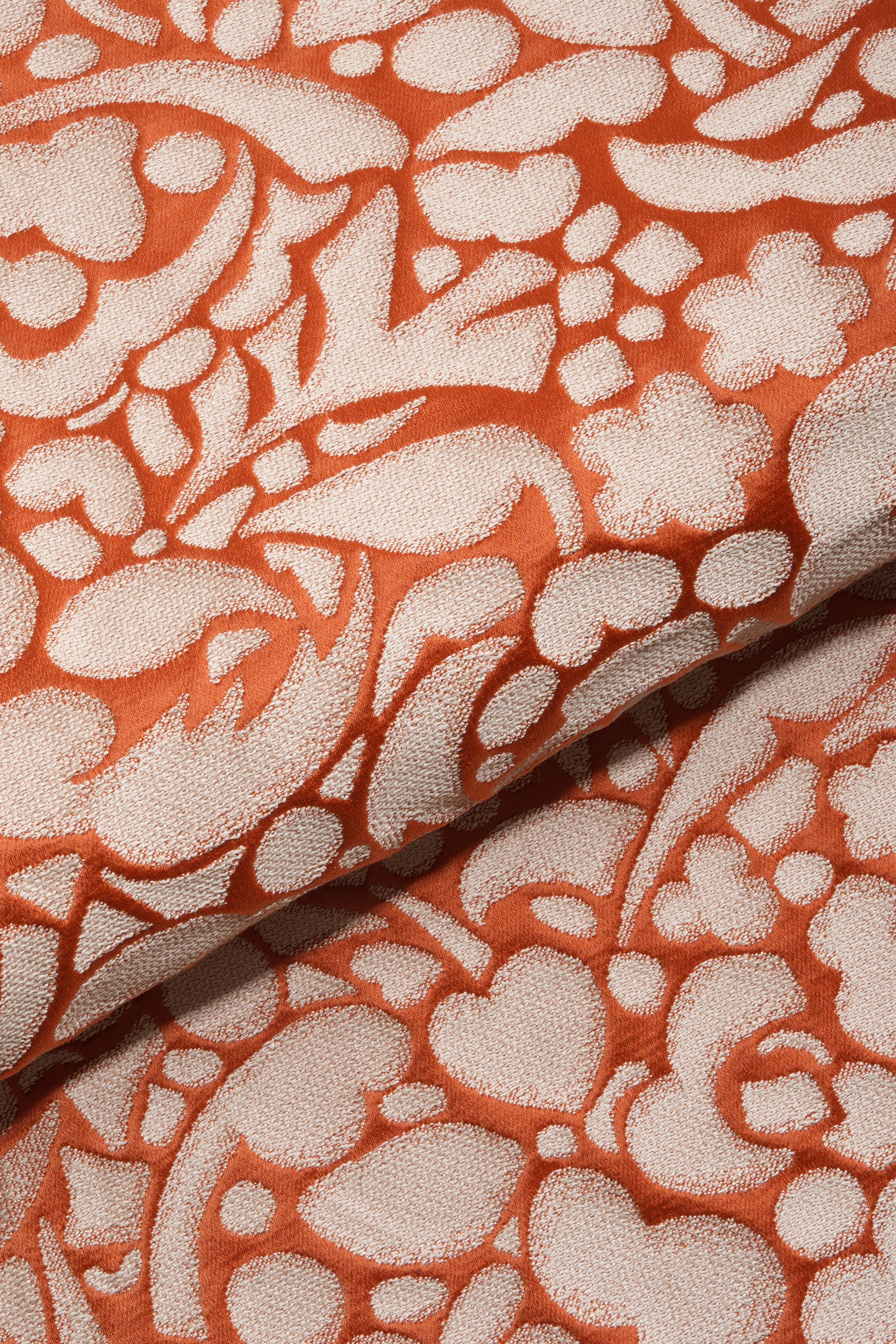
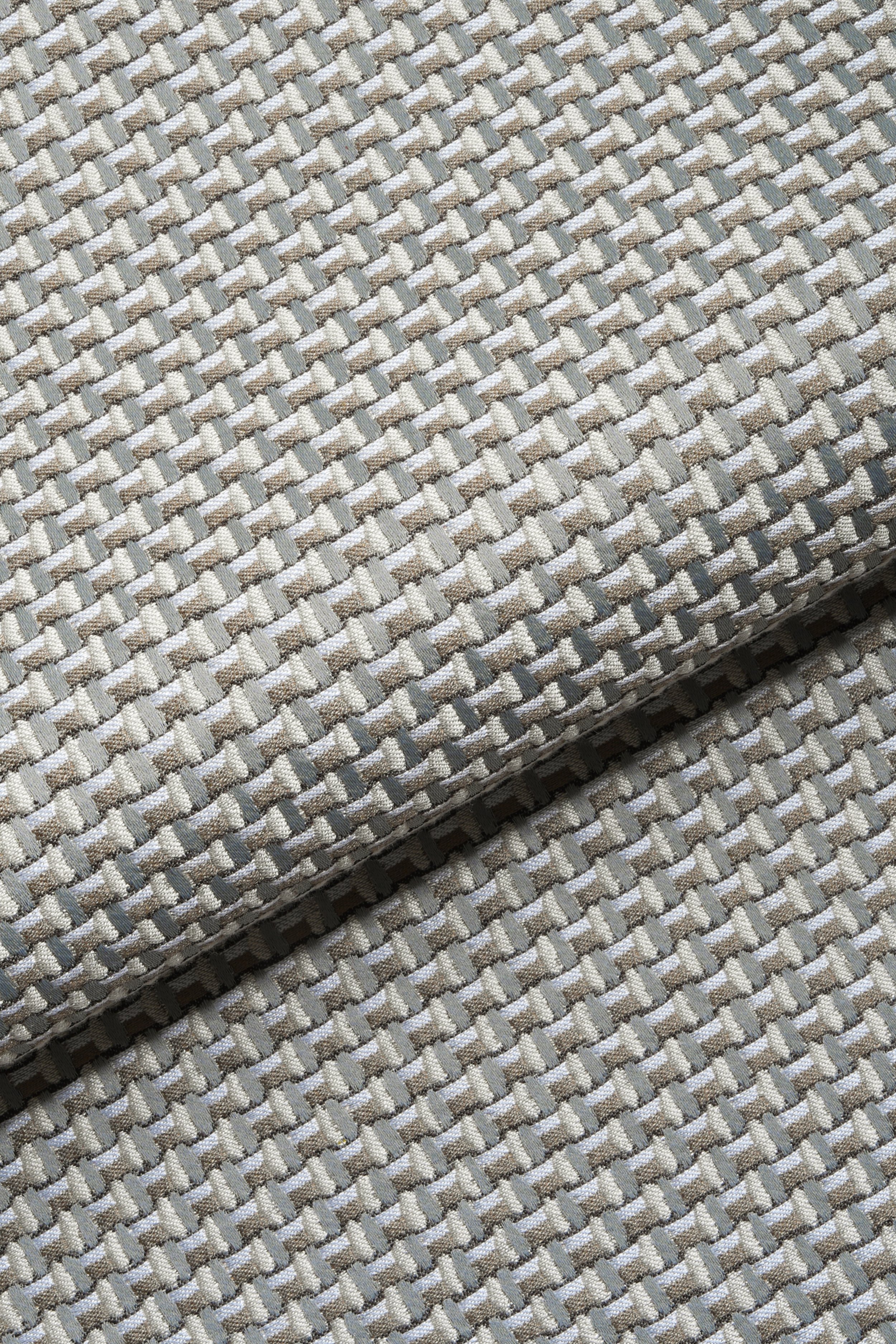
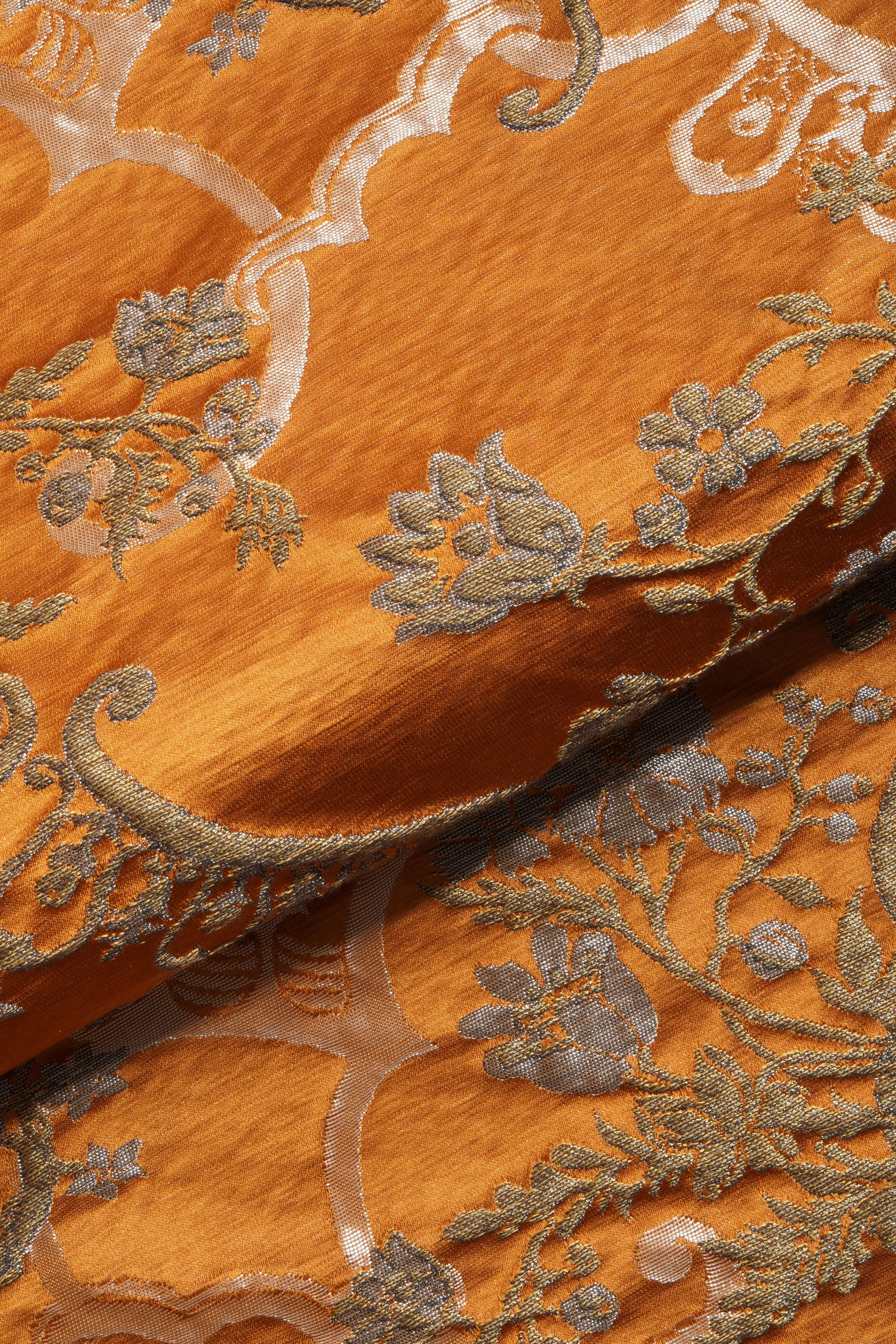
This year’s collection was inspired by that great 1930s icon, Milan’s Villa Necchi. How did you go about creating your own interpretation of its grandeur?
Well, it's never a literal interpretation, because that wouldn’t be interesting. The work was in creating something recognizable and at the same time abstract. And that’s where we come back to this idea of emotion. It’s not literal. It’s a perception.
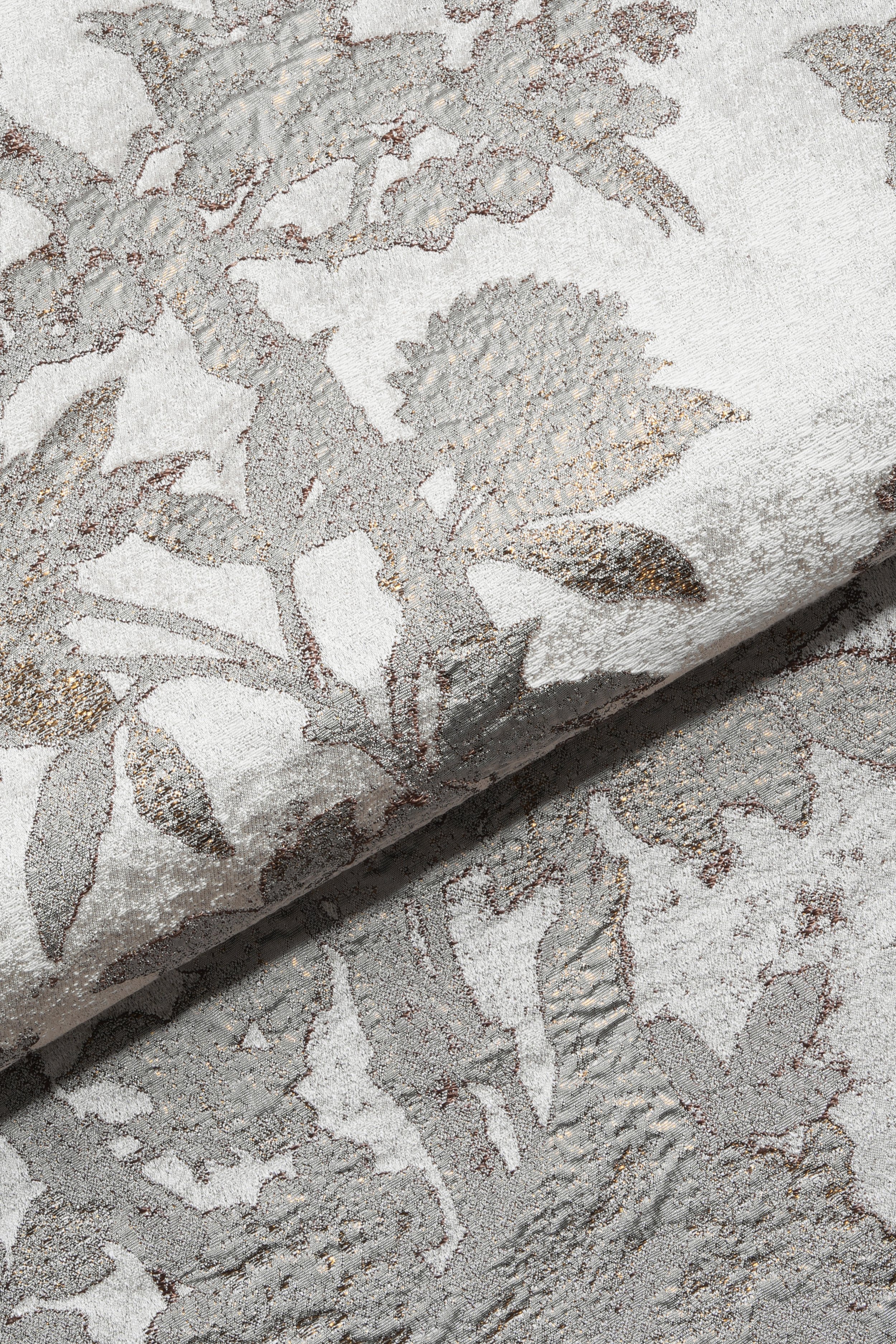
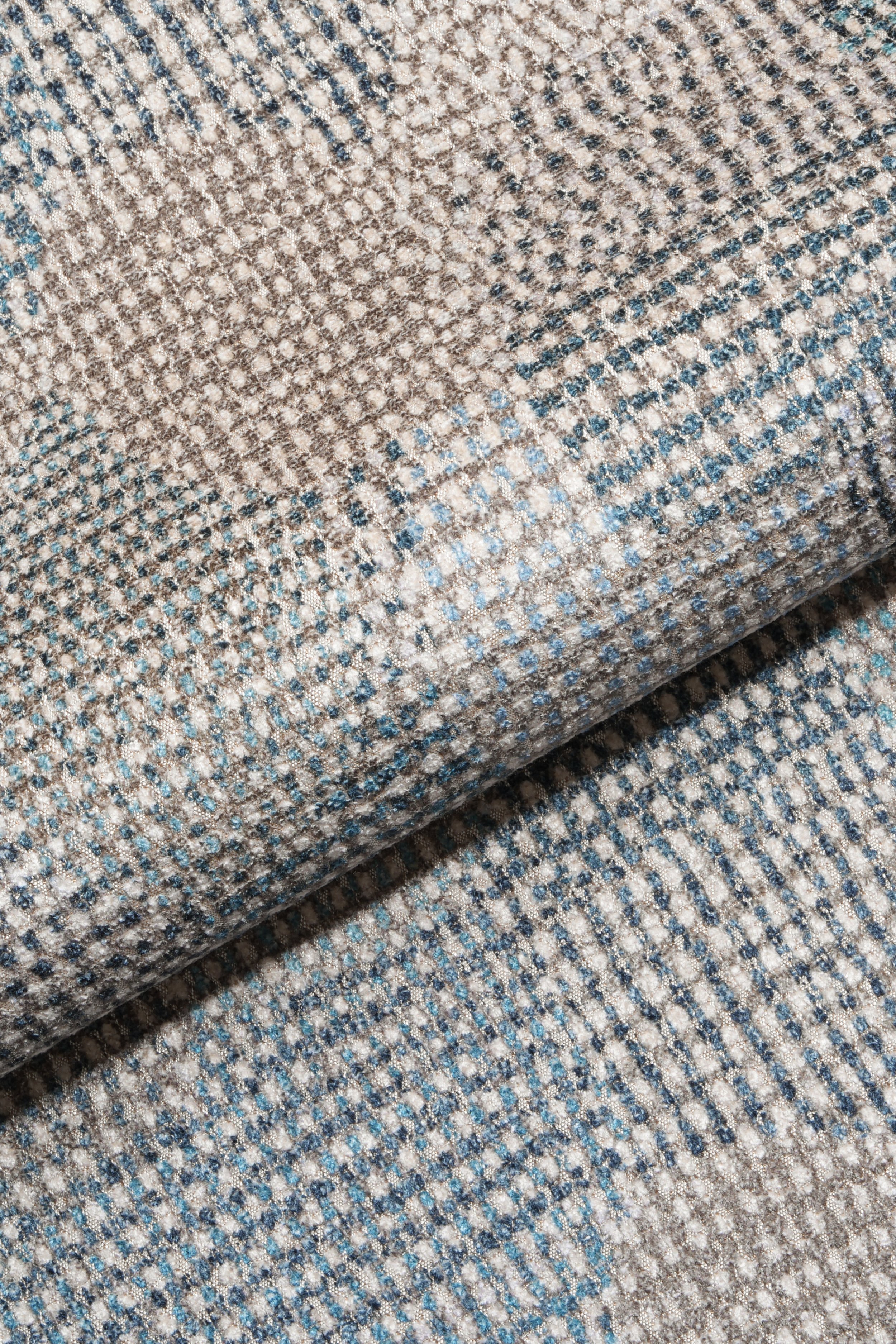
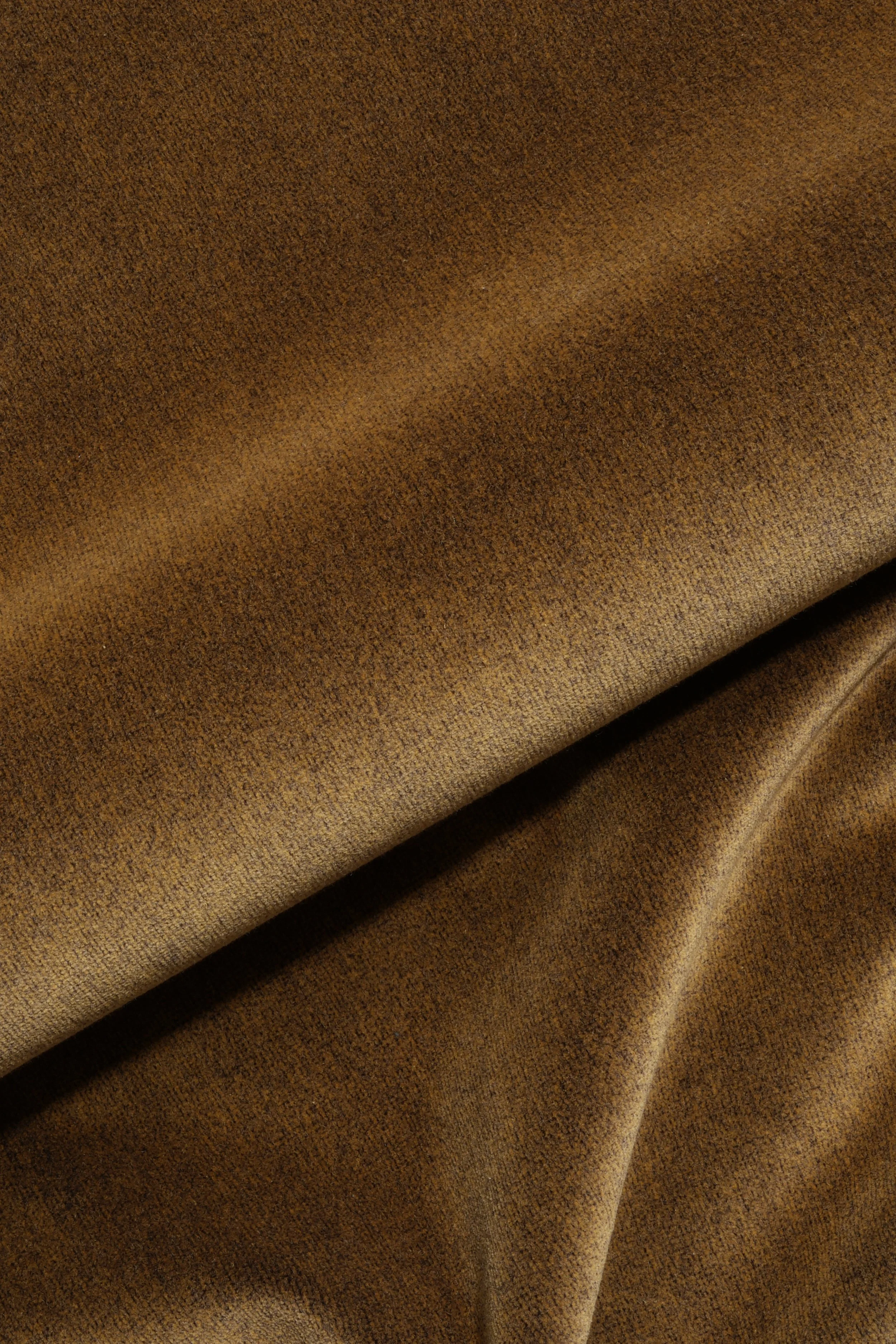
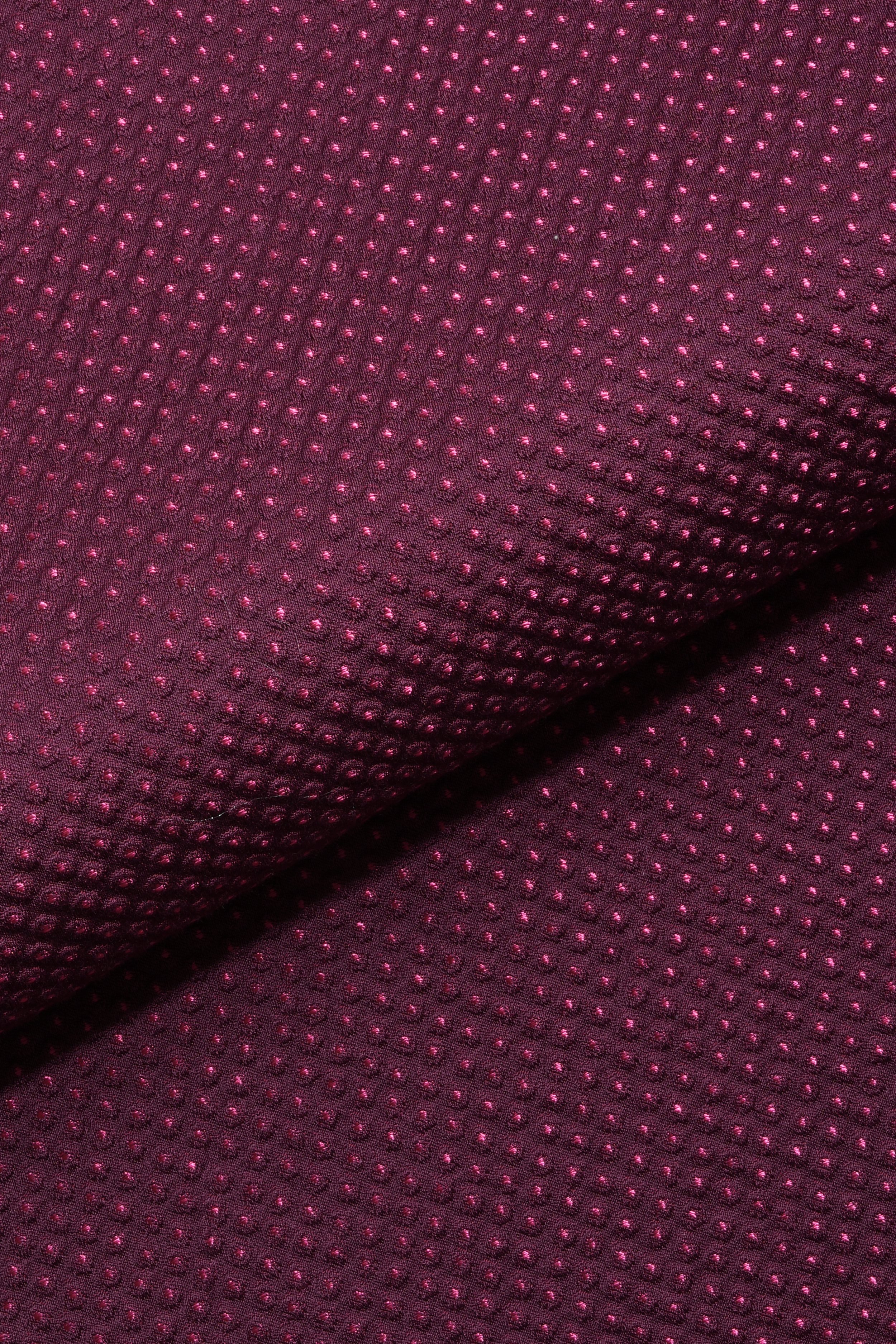
There are ten billion possibilities in that villa. That’s what’s fabulous. The marble alone… My eye was drawn to little details throughout the space, and they seemed essential to me. Then, I had to find the right idea for the right medium: velvet, jacquard, embroidery, perhaps sheer fabric, and how many colors to include. It's an extremely long process.
The most important thing in creation is knowing how far you can push the product. That’s ultimately what matters. Experience teaches you to accept the inevitable changes between the concept you had in mind, the sample and the development work, and then production, because the work is both artisanal and industrial. It's up to me to decide whether to accept these evolutions.
What are you reaching toward?
The unexpected. To be surprised, to be amazed, always. That's why whenever I can, I go to exhibitions, I travel, because that's also where you get outside your comfort zone. When I'm making a collection, for example with Villa Necchi, I do a great deal of research to get to know the place, the architect, to feed myself on lots of imagery, and go there many times. What I really wish for myself is to always have that curiosity and to experience things that move me, not to be bedridden.
“The eye is a camera. You have to nourish it.”
What is the fire inside that keeps you going?
It's creating. It really is essential, and I'm very grateful to be able to do it. I'm at 300% in my work, because everything is research, in a way. The eye is a camera. I photograph everything all the time. I read a lot to stay informed about what's going on in art, architecture, fashion. I love going to flea markets because of the element of surprise, or even just going into shops, seeing what's new, touching, looking. It takes a lot of time, but I never tire of seeing things. I think you have to nourish your eye, it's a genuine curiosity.
My father used to say, when you're a pianist, you have to work the hand, and when you paint, you have to draw. And my father painted every day, or at least drew. He drew on the back of an envelope, anything, he worked with his hand. So when you make things by hand, that demands dexterity too. It's about doing it, doing it, doing it. You can't create the exceptional in one stroke of magic. It’s just not possible. It's through failure that you grow. You mustn't let it hold you back or stop you, because the process is precisely the point.
See more from Rubelli.
Alberto Pezzato | Rubelli