
The Venetian fabric house’s Creative Director on trial, error, and the importance of knowing your craft.
For Alberto Pezzato, the thrill of making has never been stronger. Steeped in textile history but instinctively drawn to the contemporary, Alberto approaches weaving as an ongoing experiment, where familiar ingredients warp and weft into something entirely unexpected. Read on to be inspired.
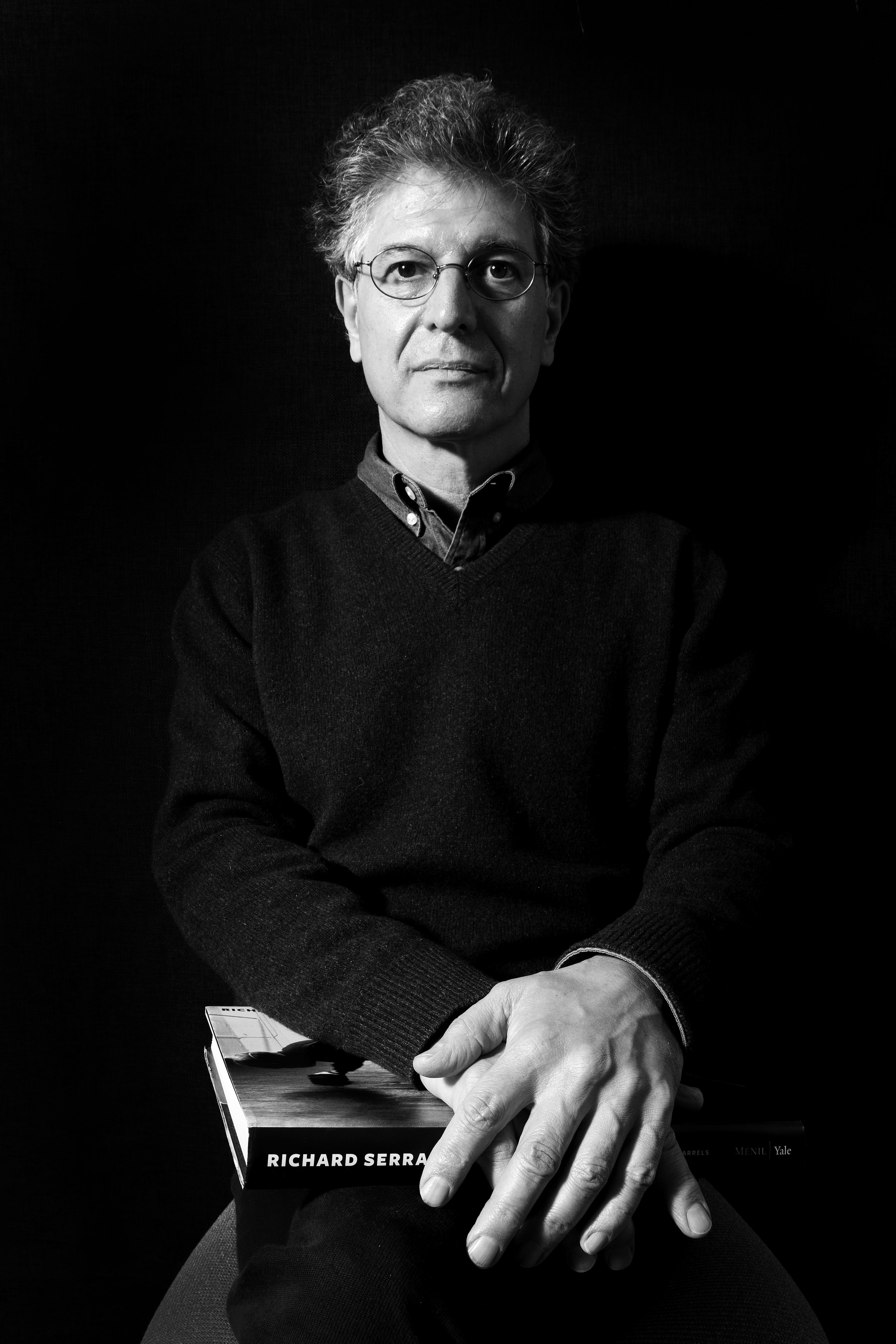
“Ideas never start from a blank page. It’s always an evolution of something.”
What does it take to make something genuinely special?
Knowledge. I think that in order to choose what to make, you have to know about it. It’s fundamental to gaining complete mastery of your craft. I draw on my knowledge and experience of textile history, and make it relevant today.
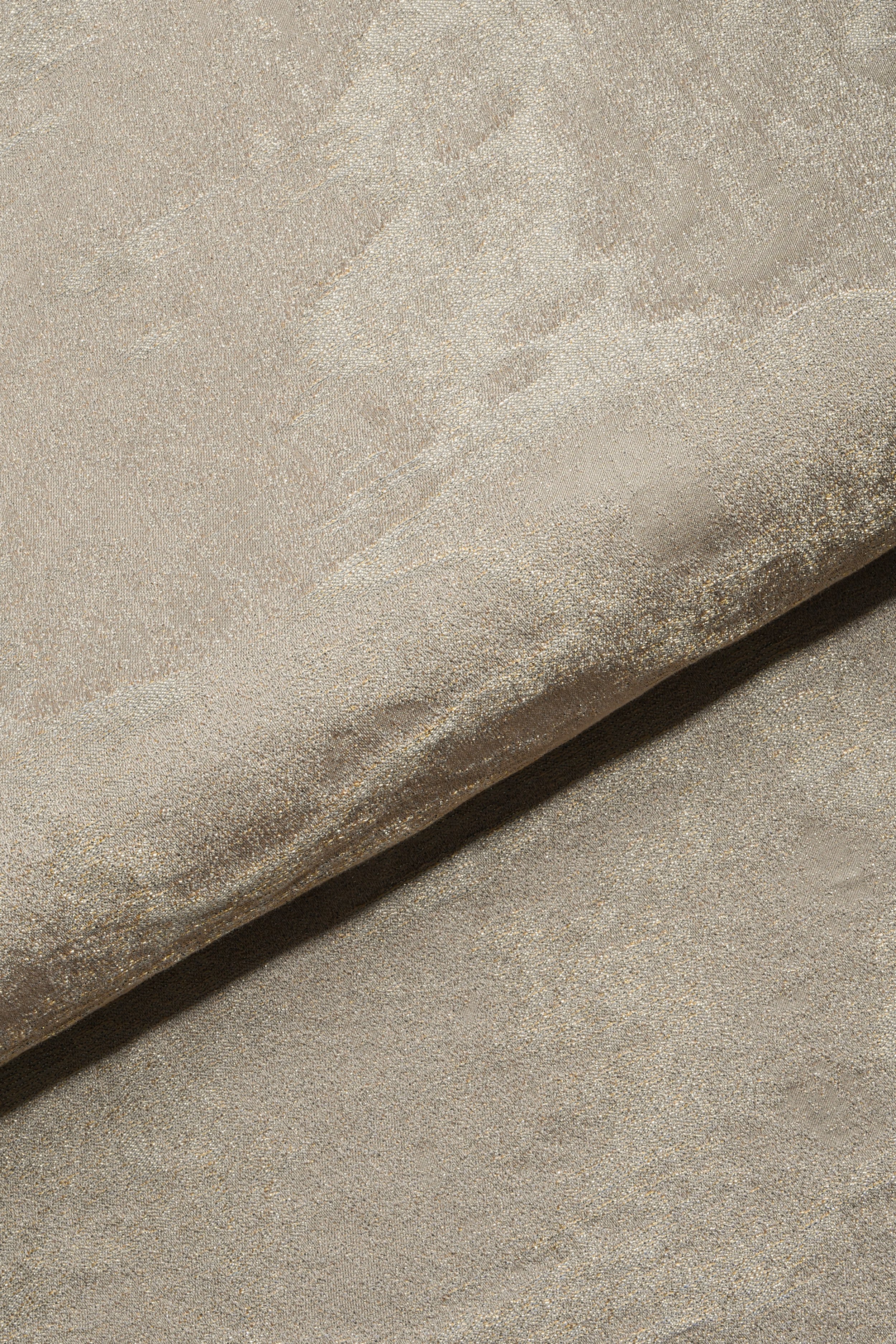
What is the dialogue you most often have with yourself?
First of all, I ask myself: am I good enough? Am I really capable of doing it? Am I up to it? I ask myself that often. But then, given my training on the loom, it comes very naturally to me when I’m at the machine in the factory: to make things, develop them, change them, let an initial idea evolve into something else. I think I’m quite good at that, and I enjoy doing that part of the work. Because it’s in bringing projects into being that I think we find the fullest realization of our craft.
It’s really about asking yourself whether you’re following the right path. I constantly question what we’re doing. And then at a certain point you realize it works. You find the key, the right interpretation, the detail that convinces you.
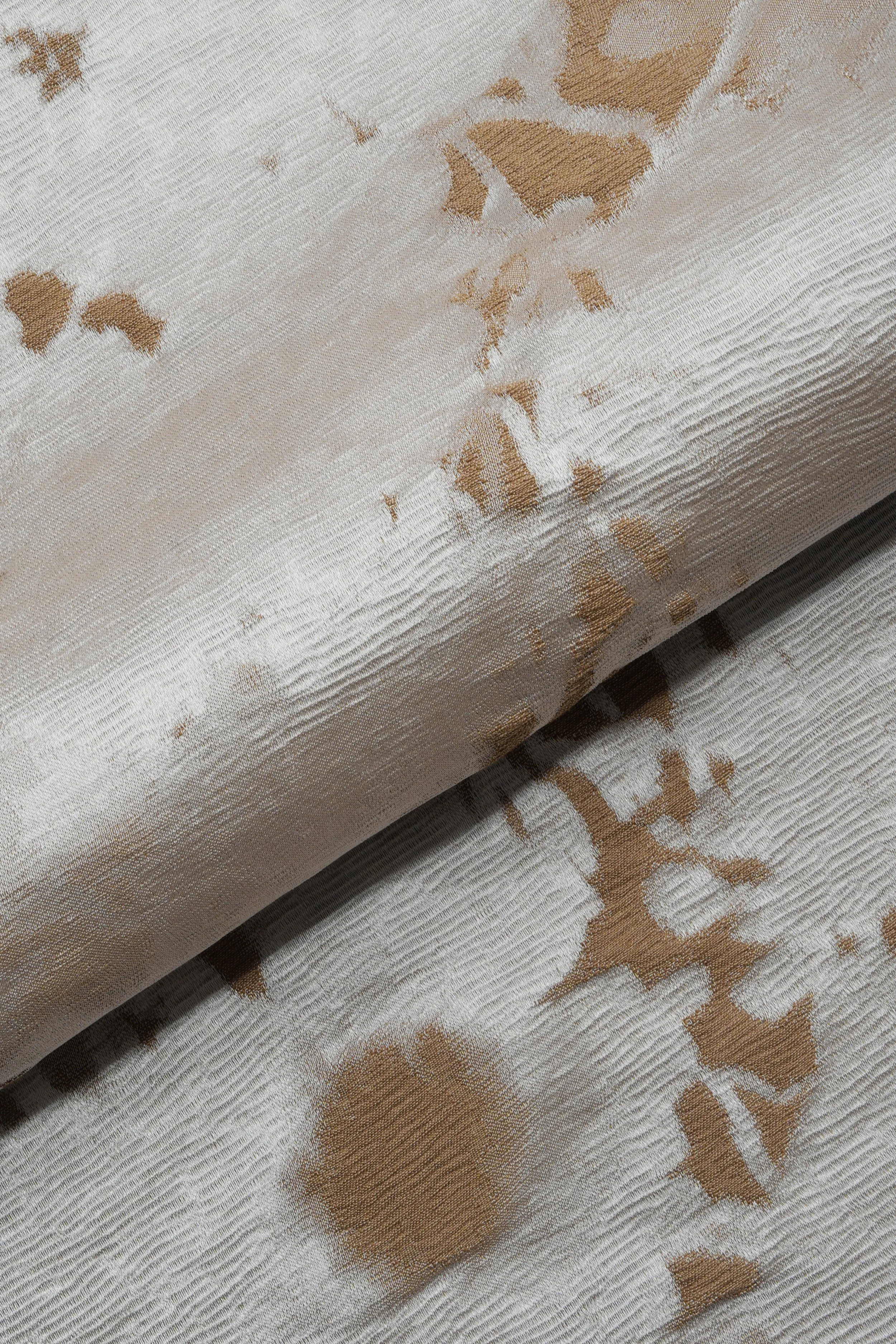
And how do you know when an idea is worth pursuing?
I don’t know how, but ideas come. And they never start from a blank page. It’s always an evolution of something. We begin along a path, and it evolves. You encounter something, it takes your mind somewhere else, and more ideas come.
I know it when we trial it and we see that it works. You know, it has to become a product. It gives one a feeling of power too: we can make things. I love that. I still have exactly the same excitement I had on my very first day, when, during those first three months, I moved from the architecture workshop to the weaving workshop. That fire is still alive. If you saw our office now, it’s full of cones of yarn, objects, images, because I share it with my colleagues. It’s a bit like that.
How do I know? When the idea, translated into weaving, into fabric, becomes a product that works on many levels. It has to work because, after all, the fabrics have to be used, they can’t cost too much — all sorts of things.
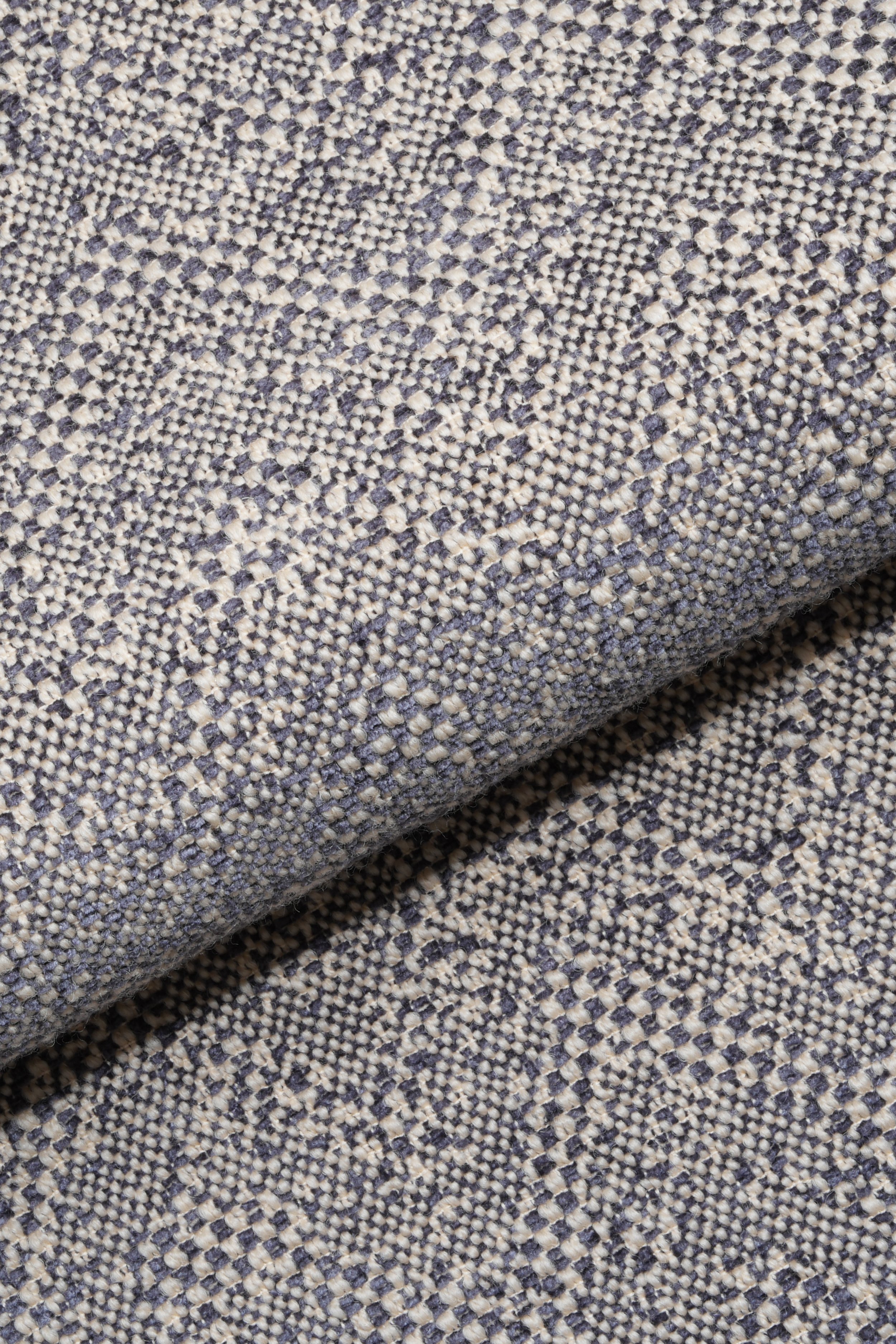
“I plant things, grow my vegetable garden, harvest what grows, turn it into something, and very happily eat my own tomato sauce.”
How do you spend time away from the loom?
In my free time I mostly devote myself to gardening and cooking. Perhaps my greatest passion is cooking. I mostly cook vegetarian food, so it’s transforming the vegetables I grow and harvest that I’m best at.
This year we had an extraordinary crop of basil, so fresh pasta with pesto alla trapanese has been the dish of the summer. I love making pasta, it’s a bit like sculpture, if you like. I can make orecchiette, too, because I have a friend from Basilicata who taught me how.
I've done it since I was little—planting a seed, watching a plant grow. To me, it's something magical. I used to collect seeds, and I wouldn't even write down the name of the plant, because I wanted to be able to recognize them. I remember that. I would have liked to study forestry. The thing is, there were so many things I wanted to do, and in the end I got trapped here in weaving. But anyway. I plant things, grow my vegetable garden, harvest what grows, turn it into something, and very happily eat my own tomato sauce.
There’s a parallel with textiles in there somewhere.
Yes, of course. Because what we do is a kind of cooking too, made up of lots of ingredients.
If your textiles could speak, what would they say?
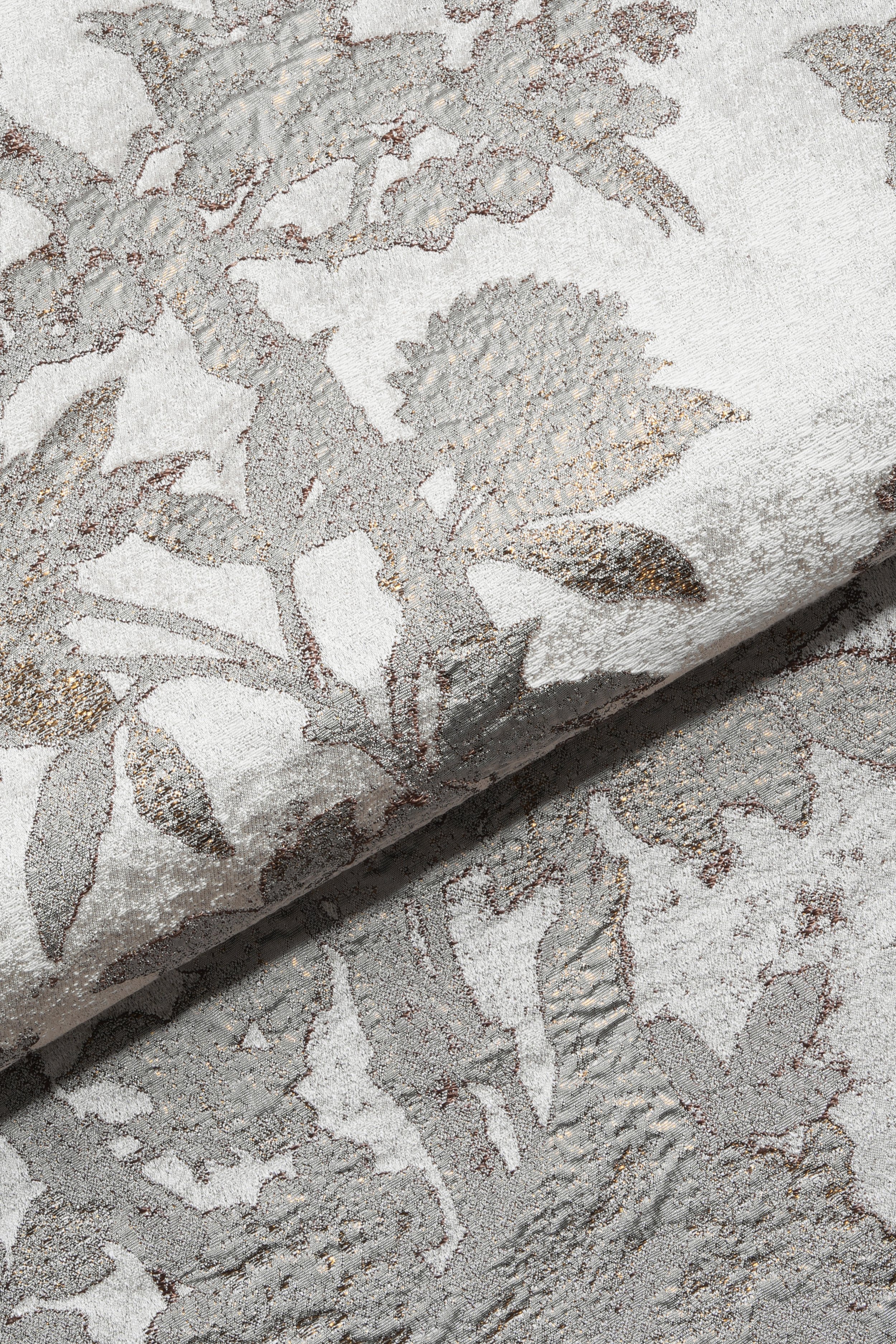
They wouldn't speak. They would make music. I always associate fabric with sound. I dream of putting on an exhibition where, with a little help from technology, you touch a fabric and sounds come out. I've often wondered about it. With the forms you find in Baroque textiles, it's easy to hear the soundtrack, isn't it? In a Rococo fabric, a particular kind of music; in a Neoclassical textile, another. It's harder when you move towards non-figurative work, but you could get there. I'd love to do something like that. Really, I would. In any case, they make sounds. They don't speak.
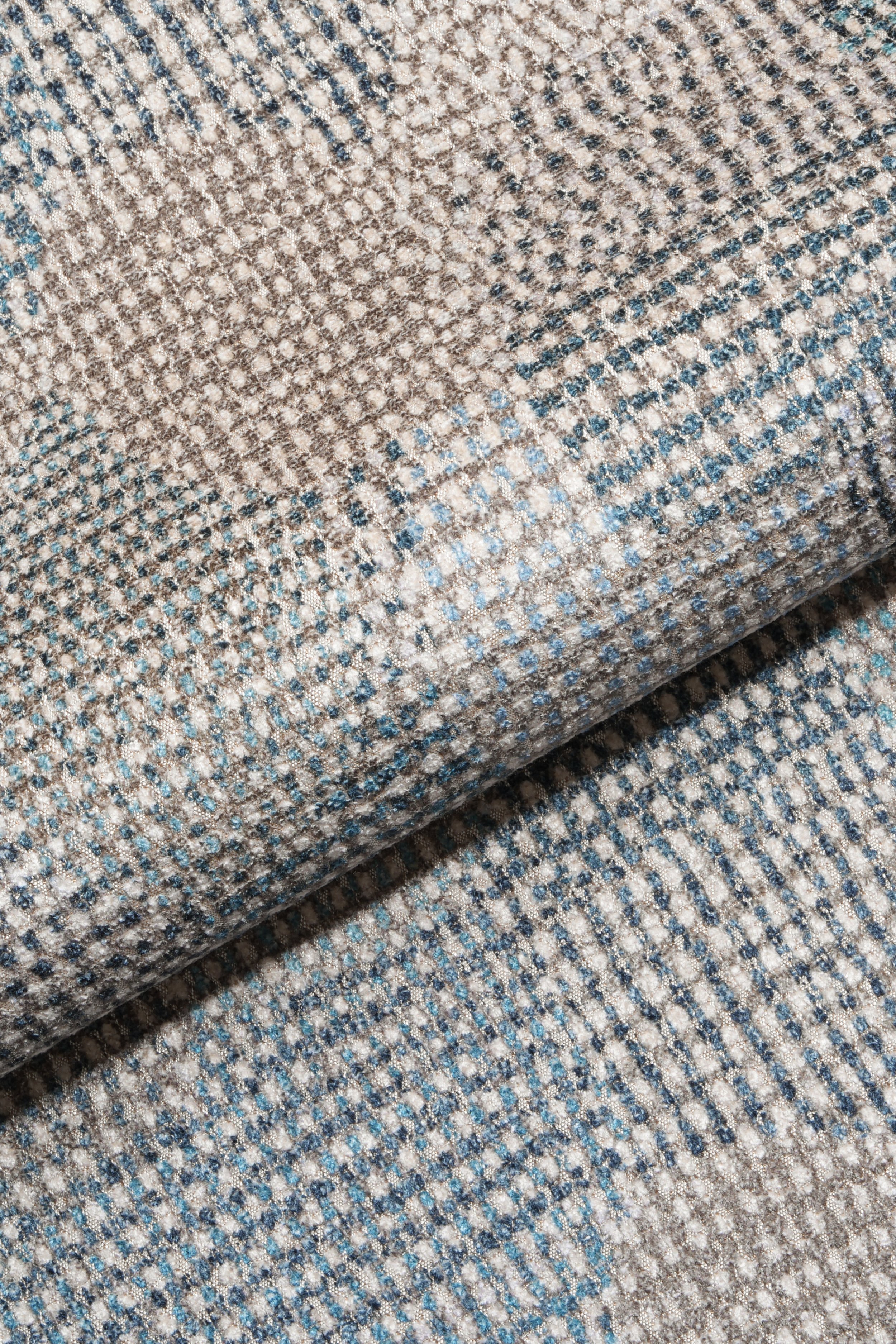
“Most of the time, we start with the same elements. By mixing them differently, changing the proportions, you get different results. ”
What occurs in your heart when you're creating a new composition?
I feel good. I really do feel good.
So it's not a frustrating process?
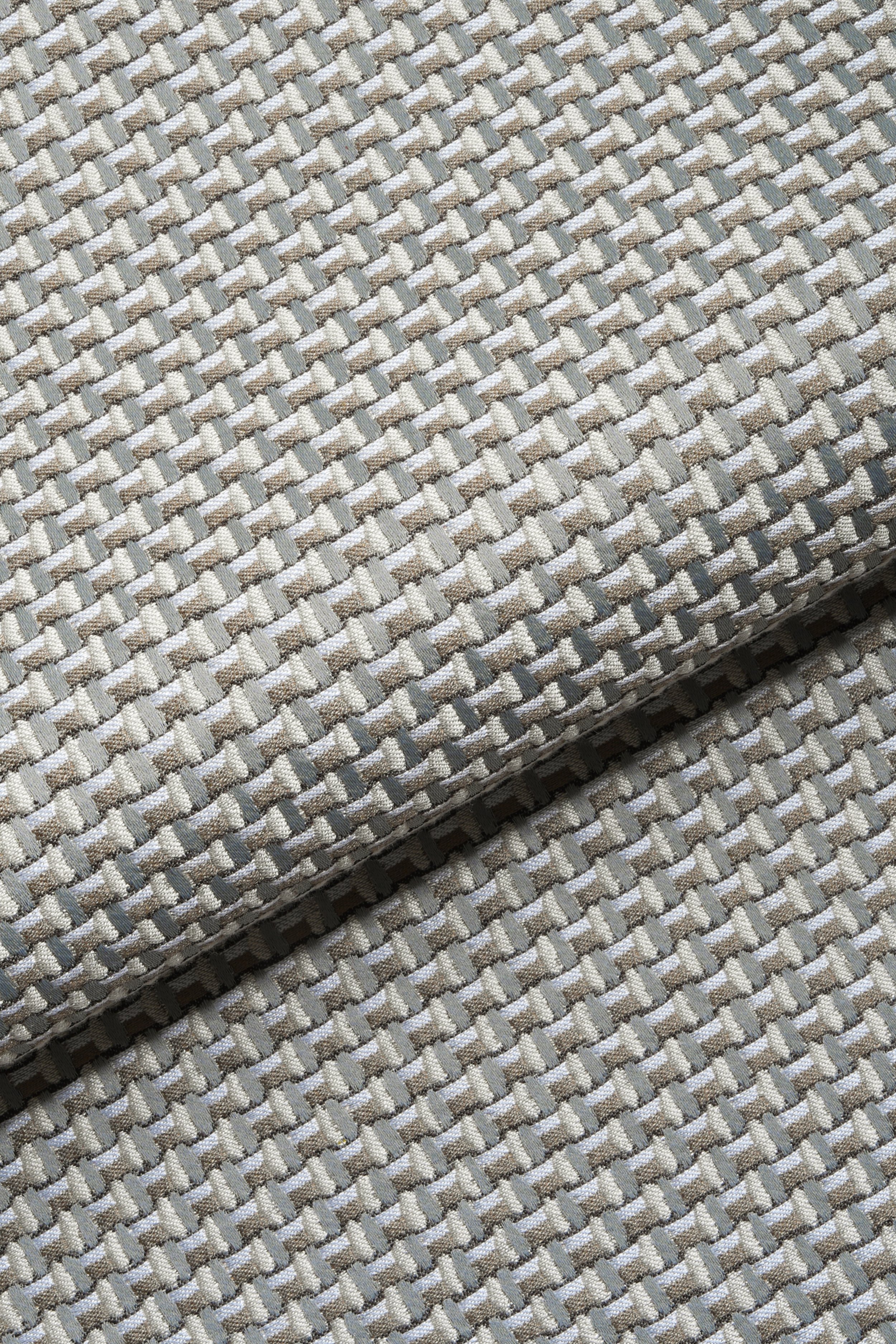
No, not that part. The frustration comes afterwards, when you put it on the table and someone says, ‘Well, I don't know...’ Or they don't even notice that there are interesting things in it. For us it's always a technical challenge. We work mainly with our own factory, so we're constantly being asked to create something new. And yet we start, most of the time, with the same elements. By mixing them differently, changing the proportions, you get different results. That's cooking—our kind of cooking. I have to say, I feel really good when I'm in dialogue with the loom. I really do. Or in dialogue with Federica, who's right beside me. Our conversations are about what we might do, how we might make it happen, how to get past the limitations of this orthogonal interlacing of warp and weft.
What brings you comfort?
Music, definitely. Classical music is an excellent antidote to stress, or dark thoughts. And then I always dream of being in water. That’s my idea of total wellbeing. To be immersed in crystal-clear water, looking up. It has to be transparent, though, like in Greece.
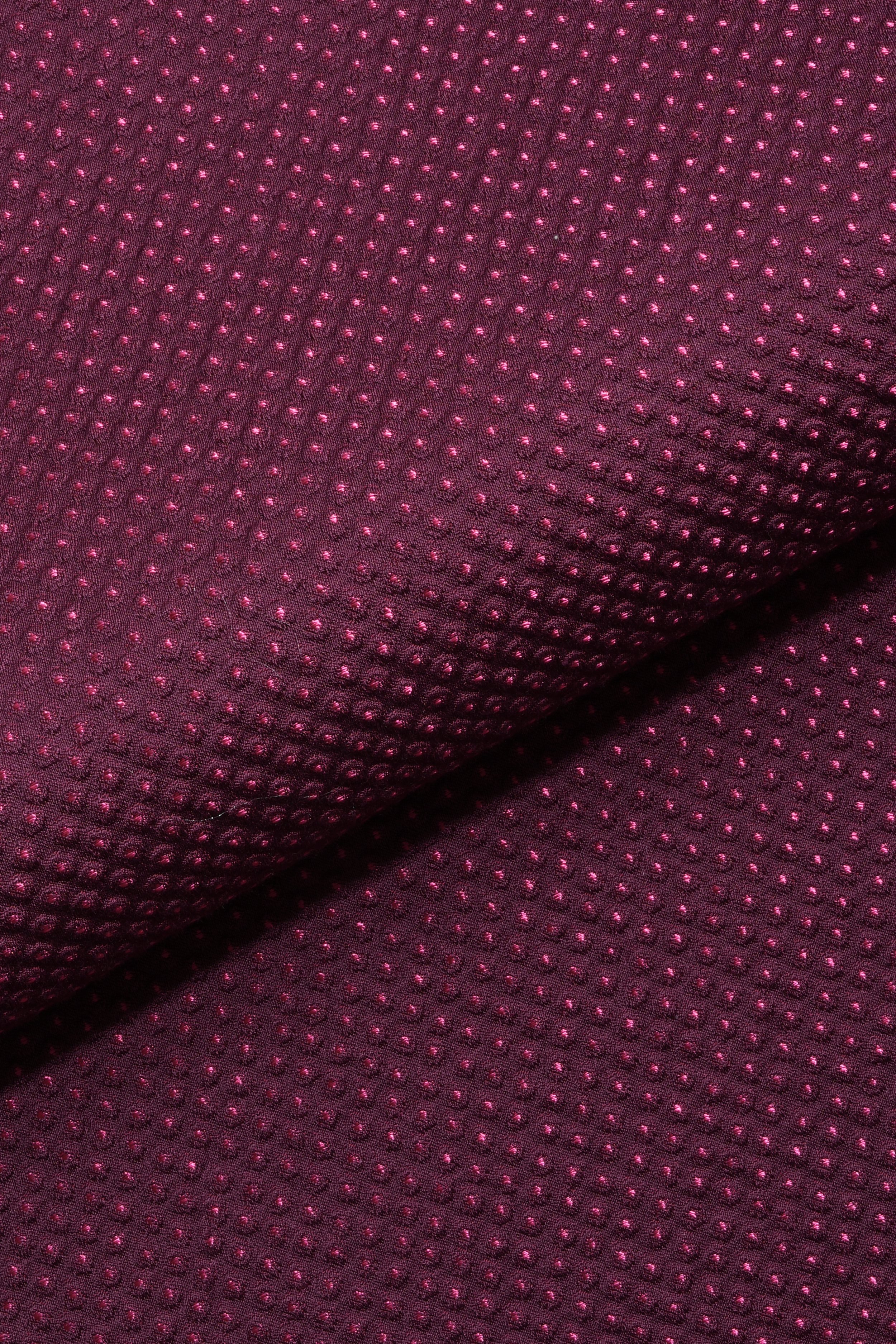
“When we make our work, we want to give dignity to the things we do.”
What is the fire inside that keeps you going?
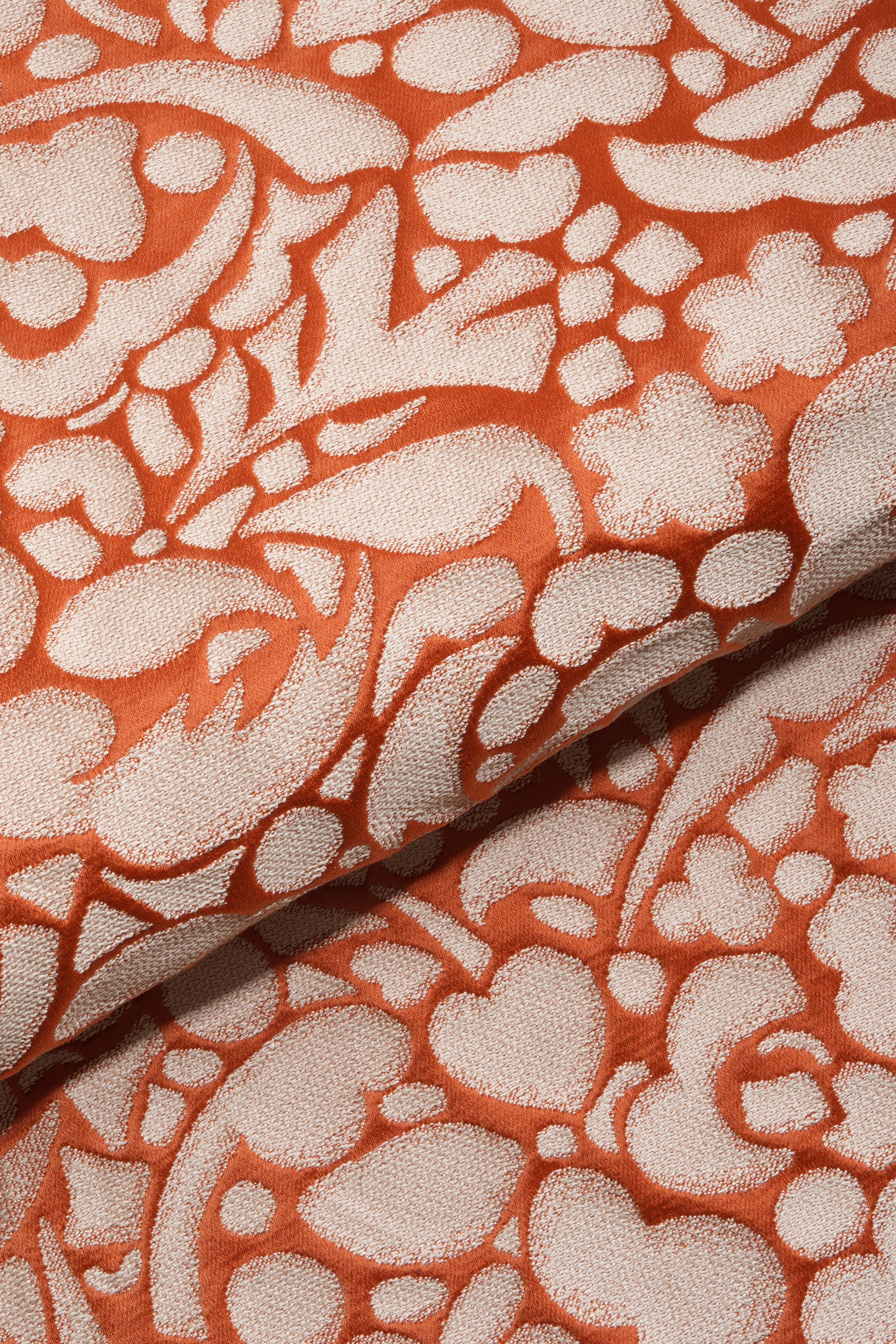
Well, I love art in general. That's what I studied. I don't want to say what we make is art, but there's always some artistic reference in my mind. The other day I went to see an exhibition here in Padua. They had a few pieces by a textile artist—sculptural textiles, not consumer products—displayed inside Padua's archaeological museum. That is exactly the sort of thing I love: textiles becoming artistic expressions, placed in dialogue with the artistic forms of our past. When we make our work, we want to give dignity to the things we do.
Do you think you've managed to express that passion to the fullest?
No, but I have had the chance to do some interesting things. Right now, for example, I'm gathering historical documents and images because I'd like to research the history of animal prints. I've never loved them, to tell the truth. But historically they intrigue me. I'd like to know: since when? Perhaps since people in caves started wearing animal skins? That's a rather obvious answer. I'd like to devote some time to studying. The idea of publishing something with real substance appeals to me. Has anyone written a true history of damask, for example? Things like that still keep me connected to the material, to weaving—which is part of the history of humanity.
What does it take to be free?
We're not free. Unfortunately—or fortunately—we're not, because there are family ties, there are financial problems. Are we free? I don't think so. I don't feel free. You can't ignore the harm you might do to someone else. I have to think about others, my brothers first of all. And I think about people who are worse off than I am. I do have my own little corners of freedom, but they're always limited. And we're not free because we have to work, spend so many hours here, and it's not always enjoyable. Unpleasant things happen too. Our work is complicated. I would certainly like to free myself of all these thoughts, yes.
“On the one hand there's the anxiety of making sure everything has gone well; on the other, there's the surprise of finally seeing, at full scale, that little fragment we chose. ”
How do you know when a textile is born, that your work is done?
Well, it's a process with several stages, I'll tell you. We make the first trials, and then from those small ones we weave larger pieces. That's the beauty of experimentation.
Then I often do this: I see it in the office and bring it home. I look at it in another light, I look at it outdoors, I look at it in a room, you understand? Those are the stages that help you decide whether it works.
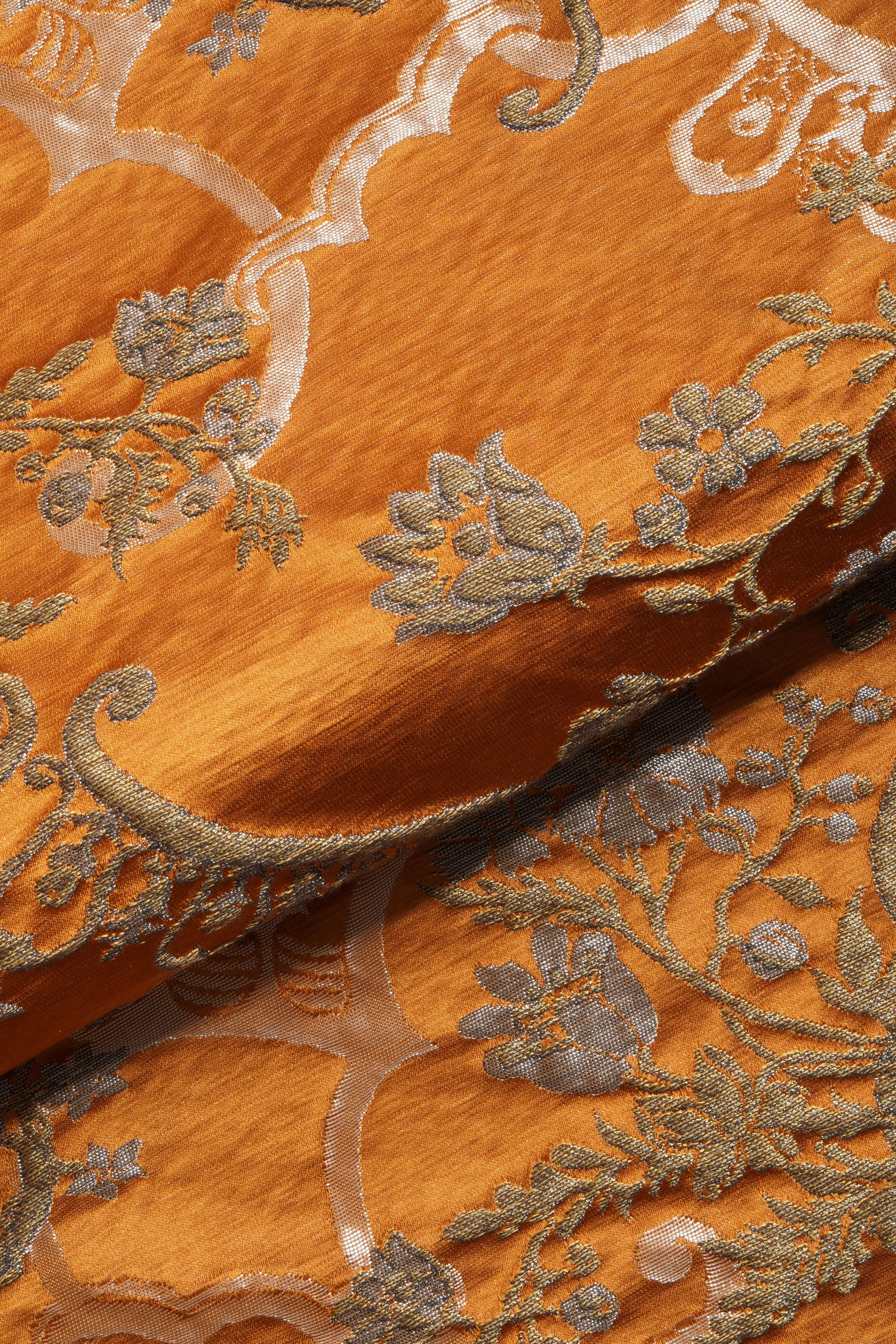
Then there are the technical tests, which tell you whether it works or not. On the one hand there's the anxiety of making sure everything has gone well; on the other, there's the surprise of finally seeing, at full scale, that little fragment we chose.
So when do I know it's right? When I have the large sample, which we drape over an armchair to get the full effect.
What’s giving you hope?
The fact that young people are more attentive to the environment—another enormously important subject to me. And then, I don't know, this year there was a very good olive harvest, for example. That gives me hope. I'm a great consumer of olive oil, so I'm happy. Finally, a good harvest.
See more from Rubelli.
Alberto Pezzato | Rubelli